


UAE Braces for Peak Summer Heat as Temperatures Soar to 50°C
The summer solstice has passed in the United Arab Emirates, ushering in the country’s most intense and challenging period of heat. Meteorologists are forecasting temperatures climbing to a scorching 50°C (122°F) in the coming days, marking the peak of the annual summer furnace.
While June typically sees temperatures ranging between 47°C and 49°C (116°F – 120°F), this year’s predictions suggest even higher extremes. The already formidable heat is significantly amplified in coastal regions by exceptionally high humidity levels. This combination creates a dangerously high “heat index,” also known as the “feels like” temperature, which can be substantially higher than the actual air temperature. High humidity severely hampers the body’s natural cooling mechanism by reducing sweat evaporation, making the heat far more oppressive and difficult to endure. Moist sea breezes blowing inland exacerbate this effect, bringing sticky, uncomfortable conditions.
Adding to the burden is the lengthening daylight. As the sun spends more hours beating down, the “urban heat island” effect intensifies. Vast expanses of concrete and asphalt absorb and store solar radiation throughout the day, releasing it slowly after sunset. This trapped heat prevents cities from cooling down significantly overnight, maintaining uncomfortably high temperatures even when the sun is down.
Despite the challenging conditions across much of the country, the UAE offers several natural sanctuaries providing welcome relief from the relentless heat:
- Jebel Jais (Ras Al Khaimah):As the highest peak in the UAE, Jebel Jais offers dramatically cooler conditions. Daytime temperatures here hover around a much more comfortable 31°C (88°F), dipping to approximately 27°C (81°F) in the evenings – a stark contrast to the 45°C+ (113°F+) commonly experienced in the lowland cities during the same period.
- Jebel Hafeet (Al Ain):This iconic mountain near Al Ain is another popular summer retreat. Even at the height of summer, temperatures here rarely exceed 40°C (104°F), and the summit provides breathtaking panoramic views stretching across the UAE and into Oman.
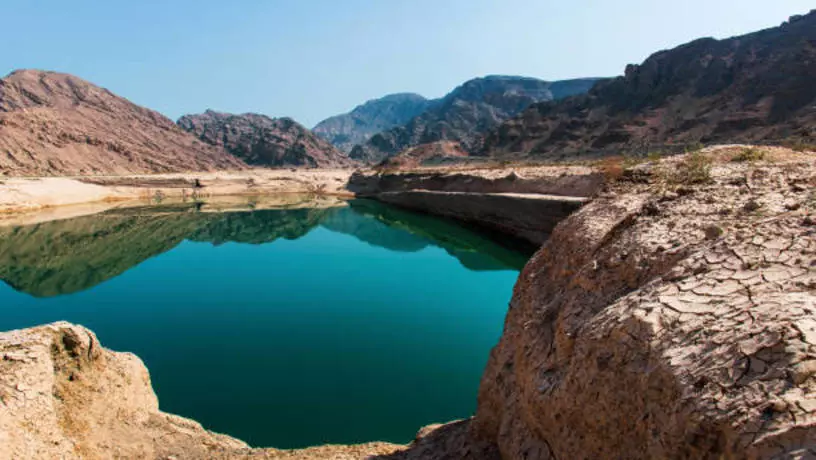
- Hajar Mountains (Ras Al Khaimah to Fujairah):The rugged terrain of the Hajar range, encompassing mountain roads and scenic wadis (valleys), naturally offers cooler temperatures. These areas are ideal for escaping the lowland heat, particularly for early morning hikes or scenic drives when the air is freshest.
- Fujairah’s East Coast:Located on the Gulf of Oman, Fujairah benefits from consistent sea breezes and often greater cloud cover than the western emirates like Dubai and Abu Dhabi. This combination results in a noticeably softer, more bearable perceived temperature despite the season.
As the UAE navigates its hottest weeks, residents and visitors alike seek refuge in these elevated or coastal areas, relying on the natural topography to provide respite from the intense sun and humidity blanketing the urban centers and deserts below.
Source: Gulf News