

The Stories Behind UAE’s Emirate Names: Nature, Geography, and Heritage
The names of the United Arab Emirates’ seven emirates are deeply rooted in the region’s natural environment, geography, and the history of its earliest settlers, serving as markers of both the land’s features and its cultural legacy.
Abu Dhabi, the capital emirate, translates to “Father of the Gazelle.” Its name originates from a legend where a gazelle led early settlers to a freshwater spring, around which the major city eventually flourished.
The exact origin of Dubai’s name is less certain. One prominent theory suggests it derives from the Arabic word “Daba,” meaning a slow flow or crawl, likely referencing the gentle waters of the Dubai Creek (Khor Dubai). Historical records also show variations like “Dibei” and “Al Wasl.”
Sharjah’s name comes from an Arabic word signifying “east,” “sunrise,” or “rising.” The emirate is often celebrated as a symbol of culture and inspiration within the federation. In contrast, Ajman’s name is linked to an Arabic term for “foreigners,” reflecting the historical presence of Iranian traders along its shores centuries ago.
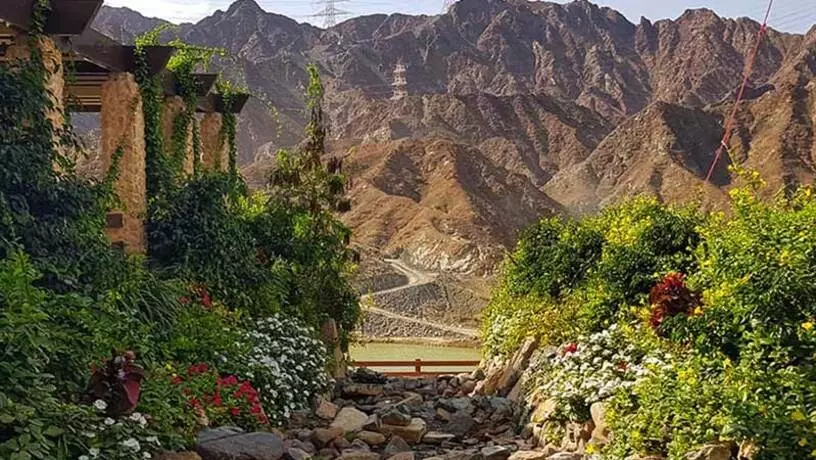
Ras Al Khaimah translates literally as “the top of the tent.” This name is attributed to the traditional dwellings built in the northern emirate, whose roofs were covered with palm fronds, resembling tent domes. Umm Al Quwain means “Mother of the Two Powers,” symbolizing the historical prowess of its inhabitants in mastering both land and sea. Finally, Fujairah takes its name from “mountain springs” or “freshwater streams,” a nod to the natural springs found in its mountainous terrain.
Together, these names offer a fascinating glimpse into the UAE’s historical and linguistic heritage.
Source: The National