



Gensler Strengthens Its Middle East Cities Practice with the Appointment of Dima Rachid
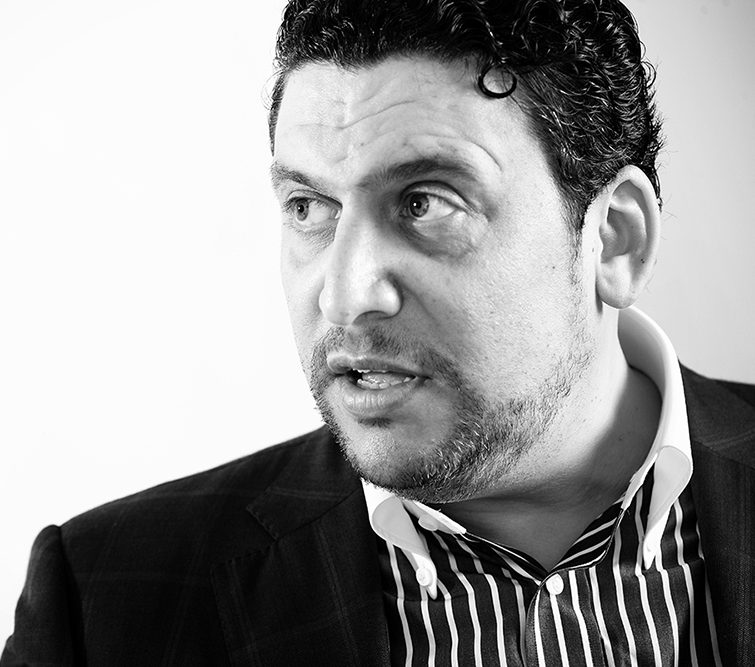
Global architecture, design, and planning firm Gensler has appointed Dima Rachid as Landscape Urbanism Design Lead within its growing Cities Studio in the Middle East, a move that underscores the firm’s continued investment in people-centered urban development across the region.
According to the announcement, Rachid will be based in Dubai and will help advance the studio’s work on climate-responsive, resilient, and context-sensitive urban environments. Her role will involve working across disciplines to shape integrated urban solutions that prioritize sustainability, livability, and long-term resilience—themes that are becoming increasingly central to city-making across the Middle East.
For Dubai People, what makes this appointment notable is not only the leadership change itself, but what it says about the direction of urban development in the region. The conversation is no longer only about landmark buildings or iconic skylines. Increasingly, it is about how cities actually function for people—how they respond to climate realities, support public life, and create long-term value through design. Gensler’s decision to expand its Cities Studio leadership reflects that broader shift.
Rachid joins Gensler with a background that spans urban design, landscape strategy, public realm regeneration, and sustainability-led planning. Her previous work includes projects such as the Ministry of Culture JAX in Diriyah, the Horsh Beirut Regeneration Plan, the JAX Public Realm Regeneration Plan, and a sustainable greywater treatment pilot within a Saudi giga-project. She also brings an academic and thought-leadership dimension, having taught in Los Angeles, Beirut, and Dubai and contributed to regional conversations on the future of cities.
Gensler’s Middle East Cities Studio itself is also expanding its geographic footprint. The firm is currently working on projects across the Middle East, Asia, Africa, and global markets, including Rawasi Muscat in Oman, a tourism masterplan in Vang Vieng, Laos, planning work on Egypt’s Mediterranean coast, and infrastructure and resilience projects in Africa, including Kenya and the Lagos Coastal masterplan in Nigeria.
The appointment was framed by Gensler leadership as part of a wider commitment to strengthening its urban design and planning capabilities in the region. According to statements cited in coverage of the news, the firm sees Rachid’s multidisciplinary background and leadership as an asset in helping clients deliver large-scale, high-impact, and community-oriented projects.
In practical terms, this is another signal that Dubai and the wider Middle East remain key laboratories for the future of urbanism. As cities across the region continue to evolve, the firms shaping them are placing greater emphasis on resilience, public realm, environmental intelligence, and human experience. Dima Rachid’s appointment fits squarely into that momentum—and suggests that the next chapter of city-building in the region will be defined as much by landscape and livability as by architecture itself.