



UAE moves closer to 6G with Abu Dhabi trials
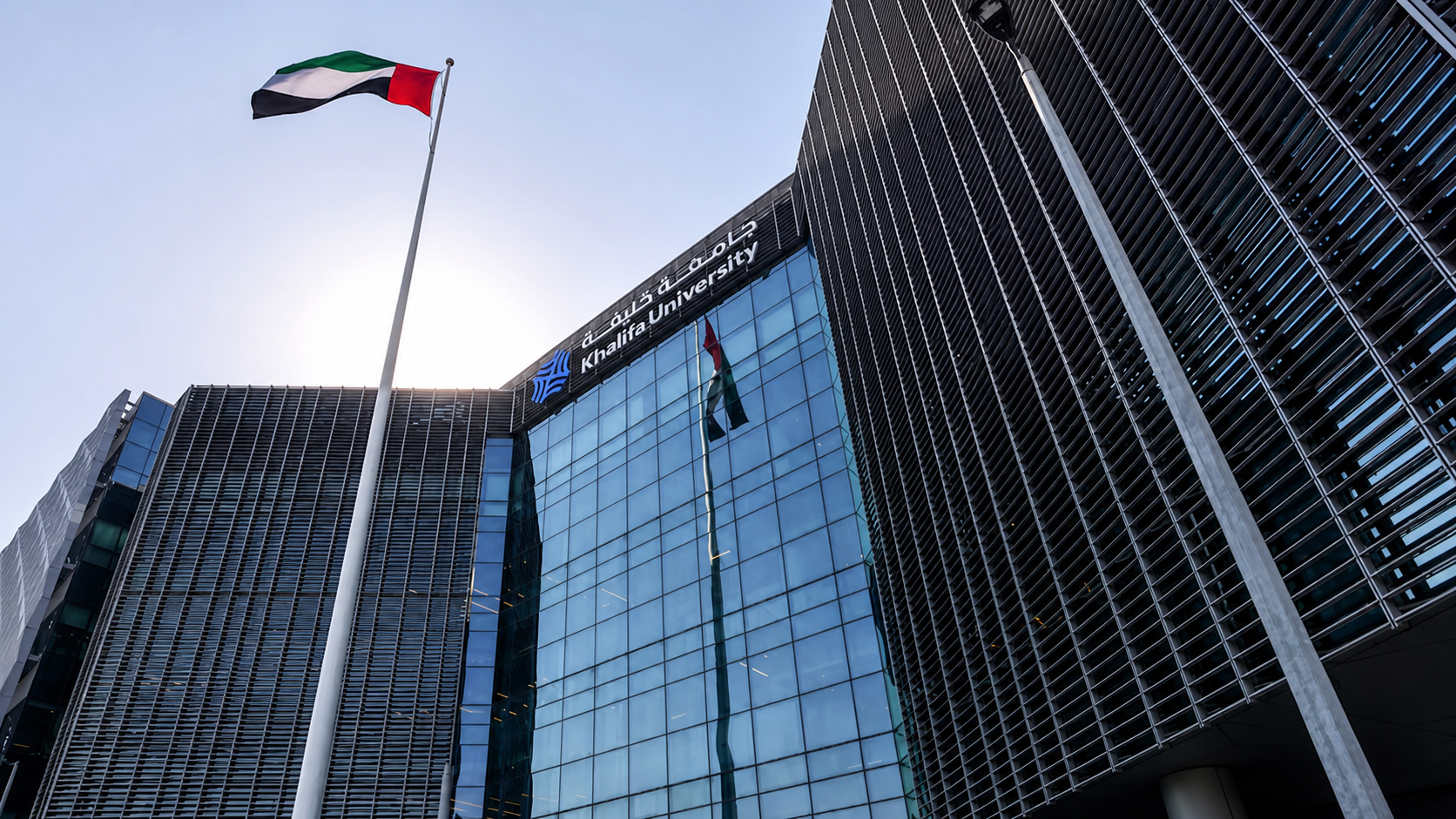
The UAE is taking another major step towards the next generation of mobile technology after du and Khalifa University completed new 6G field trials in Abu Dhabi.
The tests were carried out on live infrastructure in Mohamed bin Zayed City, where the teams achieved outdoor coverage of up to 500 metres and peak download speeds approaching 1.5 gigabits per second.
The results place the UAE among the first countries in the region to demonstrate upper-mid-band 6G spectrum performance at scale and reinforce its ambition to become a global centre for advanced telecommunications.
6G trials move from research to real-world testing
Sixth-generation mobile technology is expected to go far beyond simply offering faster internet.
While 5G transformed connectivity for smartphones, smart devices and industry, 6G is being developed as a broader digital infrastructure capable of combining communications, computing, artificial intelligence, sensing and real-time data.
The latest Abu Dhabi trials are significant because they were conducted using live macro network infrastructure rather than exclusively in laboratory conditions.
This allows researchers and telecom operators to better understand how future 6G technology could perform in real urban environments.
Speeds reach nearly 1.5Gbps
During testing, du and Khalifa University recorded outdoor coverage of approximately 500 metres, with peak downlink speeds approaching 1.5Gbps.
The trials focused on the upper 6GHz spectrum and were designed to evaluate whether these frequencies could provide the combination of speed, coverage and capacity required for future mobile networks.
For users, 6G could eventually mean faster and more reliable connections across smartphones, laptops, tablets, connected vehicles and a growing range of smart devices.
But the technology’s wider impact could be considerably greater.
AI could become part of the network itself
One of the biggest differences between 5G and 6G is expected to be the deeper integration of artificial intelligence.
Future telecom networks could continuously analyse real-time data, predict demand, identify potential risks and automatically optimise resources before problems occur.
Instead of simply connecting devices, networks could increasingly understand how they are being used and adjust themselves accordingly.
This could create what the industry describes as AI-native and autonomous telecommunications infrastructure.
For cities such as Dubai and Abu Dhabi, that could eventually support everything from autonomous transport and smart infrastructure to advanced robotics, healthcare technology and industrial automation.
Khalifa University brings research into real networks
The partnership combines Khalifa University’s research expertise with du’s operational telecommunications infrastructure.
Khalifa University President Ebrahim Al Hajri said the collaboration is helping turn advanced academic research into practical technologies that can shape the future of intelligent telecommunications.
The university sees the project as part of a wider effort to strengthen the UAE’s position in advanced technology, scientific research and a knowledge-based economy.
For du, the trials demonstrate that some of the technologies expected to define 6G can already be tested using existing network infrastructure.
UAE started preparing for 6G years ago
The country has been developing its 6G strategy for several years.
In 2024, the UAE’s Telecommunications and Digital Government Regulatory Authority announced plans to allocate spectrum in the 600MHz and 6GHz bands to support future 6G development.
That move helped create the technical foundation for further research and testing.
Wireless technology typically evolves in roughly decade-long cycles. Research into 6G began around 2020, and industry expectations suggest early commercialisation could begin towards the end of this decade.
Samsung has previously projected that 6G standards could be completed and early commercial services introduced around 2028, with wider adoption potentially beginning by 2030.
What 6G could mean for the UAE
For the UAE, leadership in 6G is about more than improving mobile download speeds.
The technology could become a key part of the country’s wider ambitions in artificial intelligence, autonomous systems, smart cities and advanced digital services.
Networks capable of combining connectivity, computing and AI could help support increasingly complex urban infrastructure while allowing businesses to develop entirely new services.
Dubai and Abu Dhabi are already investing heavily in AI, autonomous mobility and smart government platforms. Advanced mobile infrastructure will be essential if these technologies are to operate reliably at scale.
UAE strengthens its position in future technology
The latest trials show that the transition towards 6G is already moving beyond theory.
Although commercial 6G networks remain several years away, real-world testing is giving researchers and telecom companies valuable information about how the technology could eventually be deployed.
For the UAE, the project is another step towards becoming not simply an early adopter of new technology, but one of the countries actively helping shape how the next generation of global connectivity will work.