

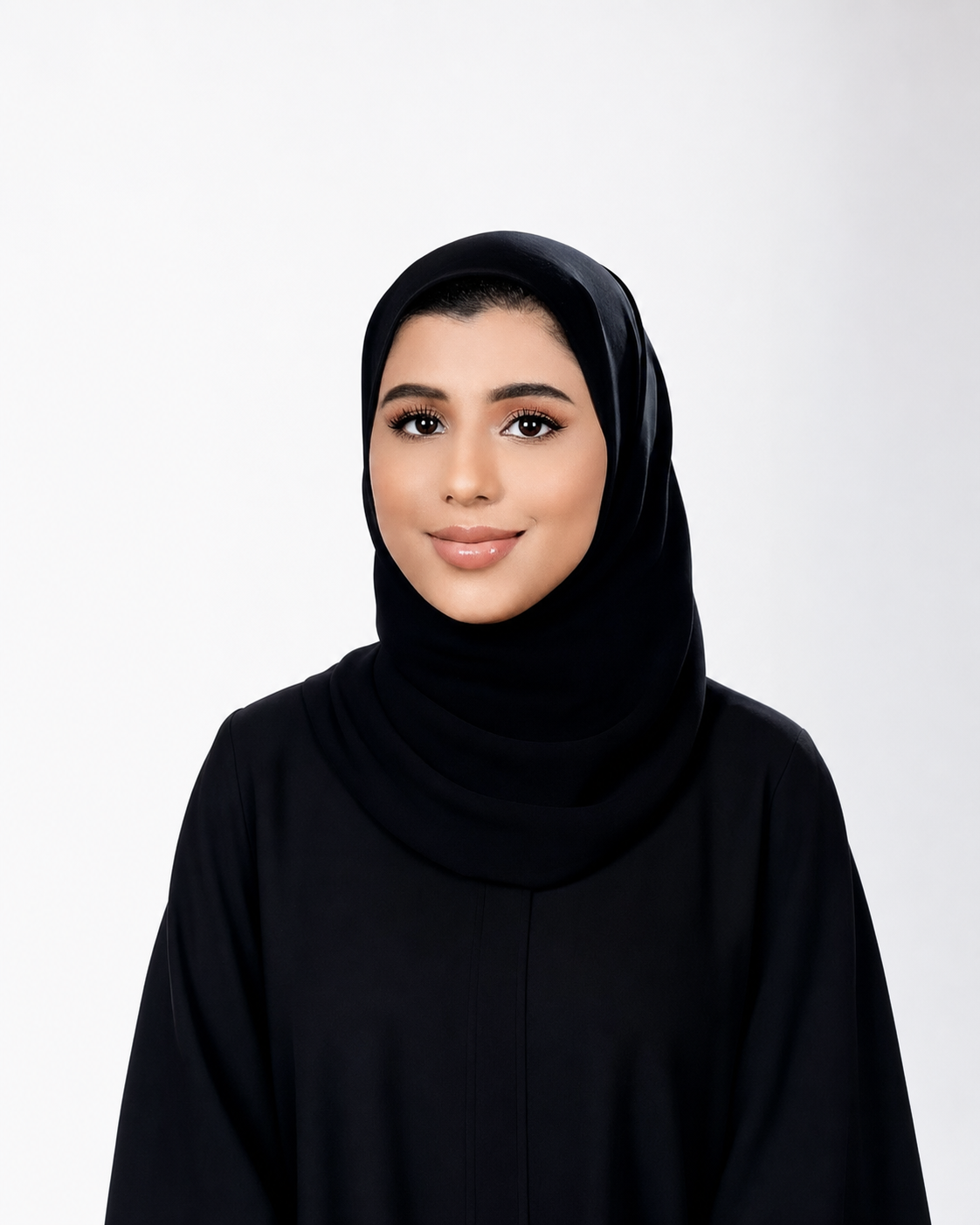
Emirati engineer Waad Alhmoudi builds career in UAE nuclear energy
When Waad Ali Hassan Saeed Alhmoudi chose engineering as her profession, the UAE’s nuclear energy sector was still taking its first major steps.
Today, she serves as Head of Mechanical and Civil Engineering at Emirates Nuclear Energy Company (ENEC), having progressed from one of the organisation’s first Emirati design engineers to leading a specialised technical team.
Her career reflects not only the growth of the UAE’s peaceful nuclear energy programme, but also the expanding role of Emirati women in highly specialised scientific and engineering fields.
From university to the nuclear sector
Alhmoudi’s interest in engineering began with a simple curiosity about how things work and how technical knowledge can be used to solve real problems.
That interest eventually led her toward nuclear energy at a time when the sector itself was still developing in the UAE.
She joined ENEC through its Energy Pioneers Program, launched in 2009 to prepare young Emiratis for careers supporting the UAE Peaceful Nuclear Energy Program.
Alhmoudi later earned a bachelor’s degree in mechanical engineering with a concentration in nuclear engineering from Khalifa University.
She then completed a master’s degree in engineering management at the University of Sharjah, combining technical expertise with the leadership skills required for more senior responsibilities.
One of ENEC’s first Emirati design engineers
Early in her career, Alhmoudi became one of ENEC’s first Emirati design engineers.
Her work included developing engineering solutions and supporting plant modifications designed to maintain the safety and reliability of systems at the Barakah Nuclear Energy Plant.
Working in the nuclear sector requires a particularly high level of precision.
For Alhmoudi, the experience reinforced the importance of discipline, technical accuracy and the responsibility that comes with maintaining strict nuclear safety standards.
Those early years helped build the foundation for her later progression into leadership.
Moving from engineering to leadership
Over time, Alhmoudi took on greater responsibility within ENEC before eventually becoming head of the company’s Mechanical and Civil Engineering team.
The transition changed the nature of her role.
Instead of focusing only on developing her own technical expertise, she became responsible for supporting other engineers, sharing knowledge and helping teams develop professionally.
Leadership, in this context, means combining technical decision-making with responsibility for the people behind those decisions.
Lessons from the pandemic
The Covid-19 pandemic became an important period in Alhmoudi’s professional development.
While many industries faced major disruption, engineering teams supporting critical national infrastructure needed to continue their work.
For Alhmoudi, the experience reinforced the wider purpose behind individual engineering tasks.
Technical decisions were not simply about equipment or systems. They were connected to a broader responsibility toward the UAE, its infrastructure and its communities.
That perspective has remained part of her approach to leadership.
More opportunities for Emirati women
Alhmoudi’s career has developed alongside a broader expansion of opportunities for Emirati women in science, technology and engineering.
She credits access to higher education, ENEC’s Energy Pioneers Program and continuous professional development with helping her build expertise in a field that remains highly specialised.
Her progress from graduate engineer to department leader demonstrates the type of long-term career path now available to young Emiratis entering technical industries.
It also provides a visible example for women considering careers in engineering.
Her advice to young engineers
Alhmoudi encourages young Emirati women not to be discouraged by difficult or highly technical fields.
Her advice focuses on curiosity, patience and consistency.
Technical expertise cannot be developed immediately, she says, and young professionals should be prepared to ask questions, continue learning and use every available opportunity to strengthen their knowledge.
As more Emirati women move into engineering and leadership roles, she believes they can also make the journey easier for the next generation by creating clearer career paths and stronger examples to follow.
Growing alongside the UAE’s nuclear ambitions
Alhmoudi’s career has developed almost in parallel with the UAE’s nuclear energy sector itself.
She entered the industry when it was still relatively new, built specialised knowledge as the country developed its peaceful nuclear programme and eventually moved into a position where she now helps guide other engineers.
Her story highlights a broader transformation taking place across the UAE.
The country is not only investing in advanced infrastructure and technology, but also developing the local expertise required to operate and lead these sectors over the long term.
For Alhmoudi, what began as curiosity about engineering has evolved into a career at the centre of one of the UAE’s most technically demanding industries.