


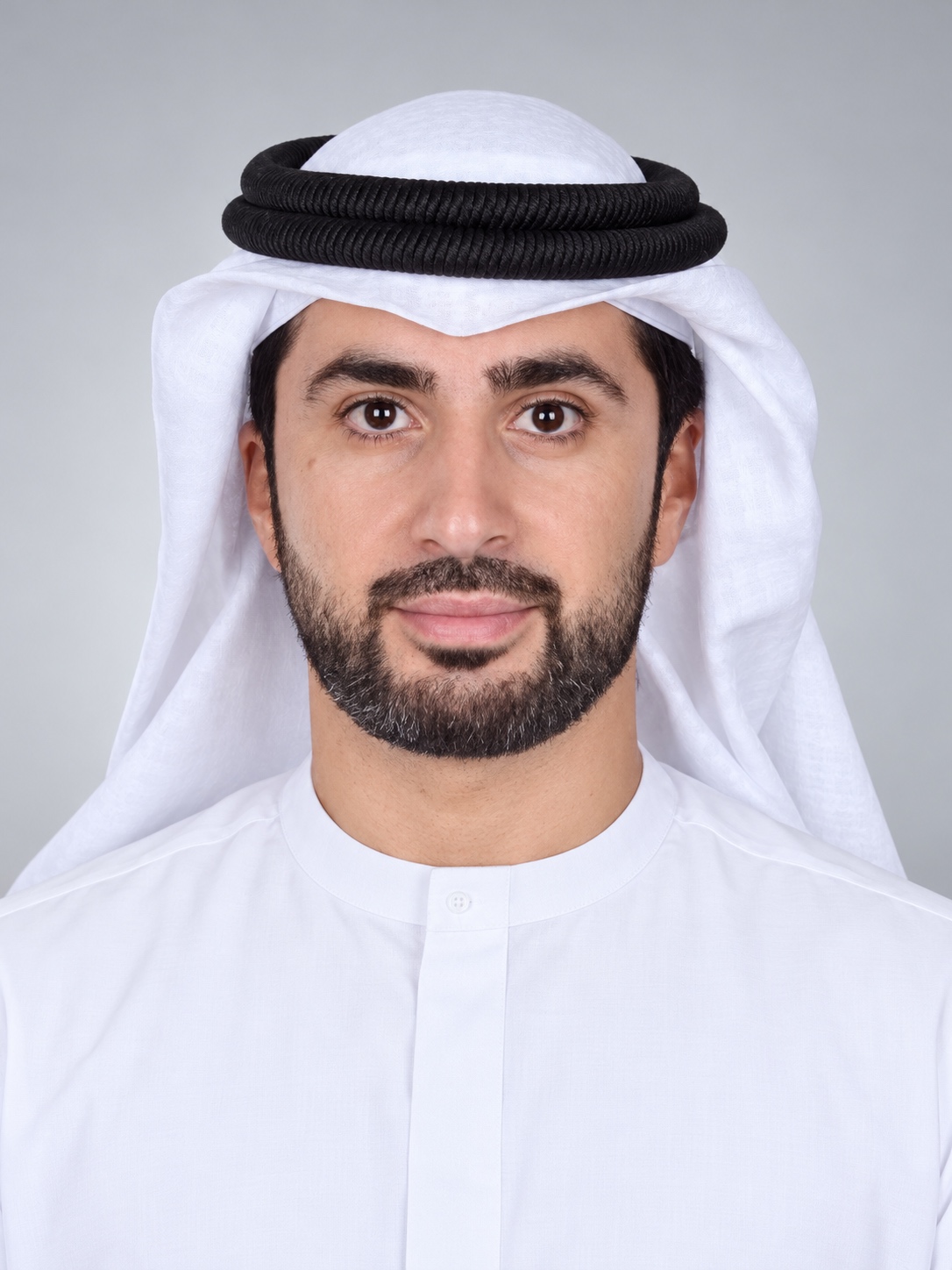
Ali Alhosani becomes first Emirati elected executive director at the IMF
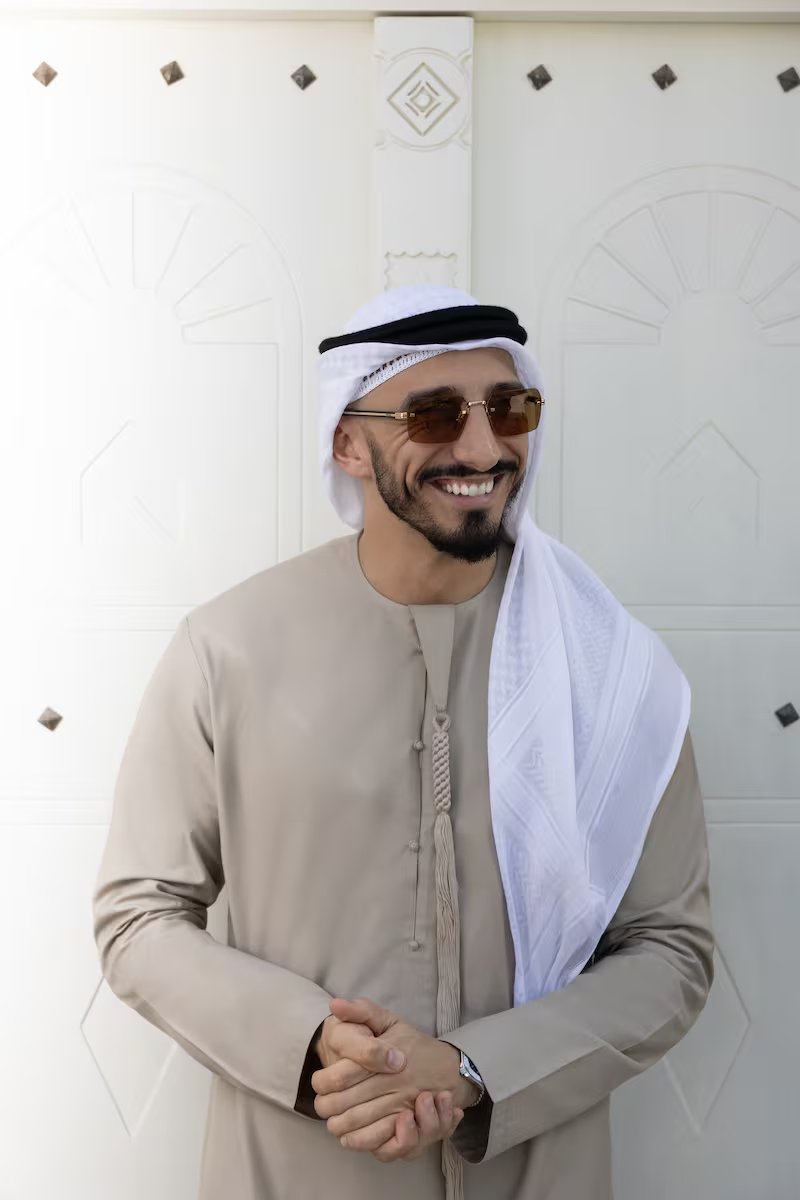
Ali Alhosani has become the first Emirati elected as an executive director at the International Monetary Fund, marking a significant achievement for UAE talent in international finance.
Previously deputy executive director of the IMF’s Arab Group, Alhosani takes on a broader responsibility representing the interests of the group’s countries and the Maldives on the fund’s executive board.
His election was announced on October 16 by Sheikh Maktoum bin Mohammed, First Deputy Ruler of Dubai, Deputy Prime Minister and Minister of Finance.
A new responsibility on the international stage
Alhosani’s election builds on his existing experience within the IMF, moving from the deputy role to a position directly involved in overseeing the institution’s work.
He expressed gratitude to the UAE leadership for its confidence in him and described the country’s selection to lead the group as a reflection of member countries’ trust in its judgement.
For Alhosani, that trust carries a practical responsibility: helping the countries he represents advance their development priorities and financial and economic reform programmes.
His agenda also includes building relationships with representatives of other countries and constituencies, creating opportunities to exchange expertise and collaborate.
Sheikh Maktoum recognises Emirati talent
Sheikh Maktoum welcomed the election as part of the UAE’s continuing efforts to strengthen its representation in international financial institutions.
He linked the achievement to the country’s economic experience and its ability to contribute to discussions on financial development.
“I am proud of our national talent who represent the UAE with distinction in addressing international economic and financial matters,” he wrote.
The recognition places Alhosani’s individual achievement within a wider national ambition: preparing Emirati professionals to take on leadership responsibilities in organisations whose decisions reach across borders.
Financing, reform and support for countries facing crises
Alhosani said his next phase of work would focus on strengthening the IMF’s contribution to financing, economic assessment and capacity building for the group’s countries.
Particular attention will go to those facing crises or exceptional economic circumstances, with an emphasis on responsive approaches that support their development needs.
He also intends to share expertise drawn from the UAE’s experience in developing its financial and monetary system, alongside learning from other countries.
What the IMF executive board does
The IMF’s executive board oversees the fund’s day-to-day business. It comprises 25 executive directors, elected by member countries, and the managing director, who chairs the board.
Its responsibilities include examining national economic policies and their international effects, approving financial assistance for countries facing temporary balance-of-payments difficulties, and overseeing training and technical support programmes.
Alhosani’s new role brings him into those discussions, with responsibility for articulating the priorities of the countries he represents.