



Wadi Wurayah becomes the UAE’s first natural UNESCO World Heritage Site
The UAE has reached a new milestone in the protection of its natural heritage. Wadi Wurayah National Park in Fujairah has officially been added to the UNESCO World Heritage List, becoming the country’s first natural site to receive the prestigious international status.
The decision was made during the 48th session of the UNESCO World Heritage Committee in Busan, South Korea, where new cultural and natural sites from around the world were considered for inscription. Wadi Wurayah is now the UAE’s third World Heritage property overall, following the Cultural Sites of Al Ain, listed in 2011, and Faya Palaeolandscape in Sharjah, added in 2025.
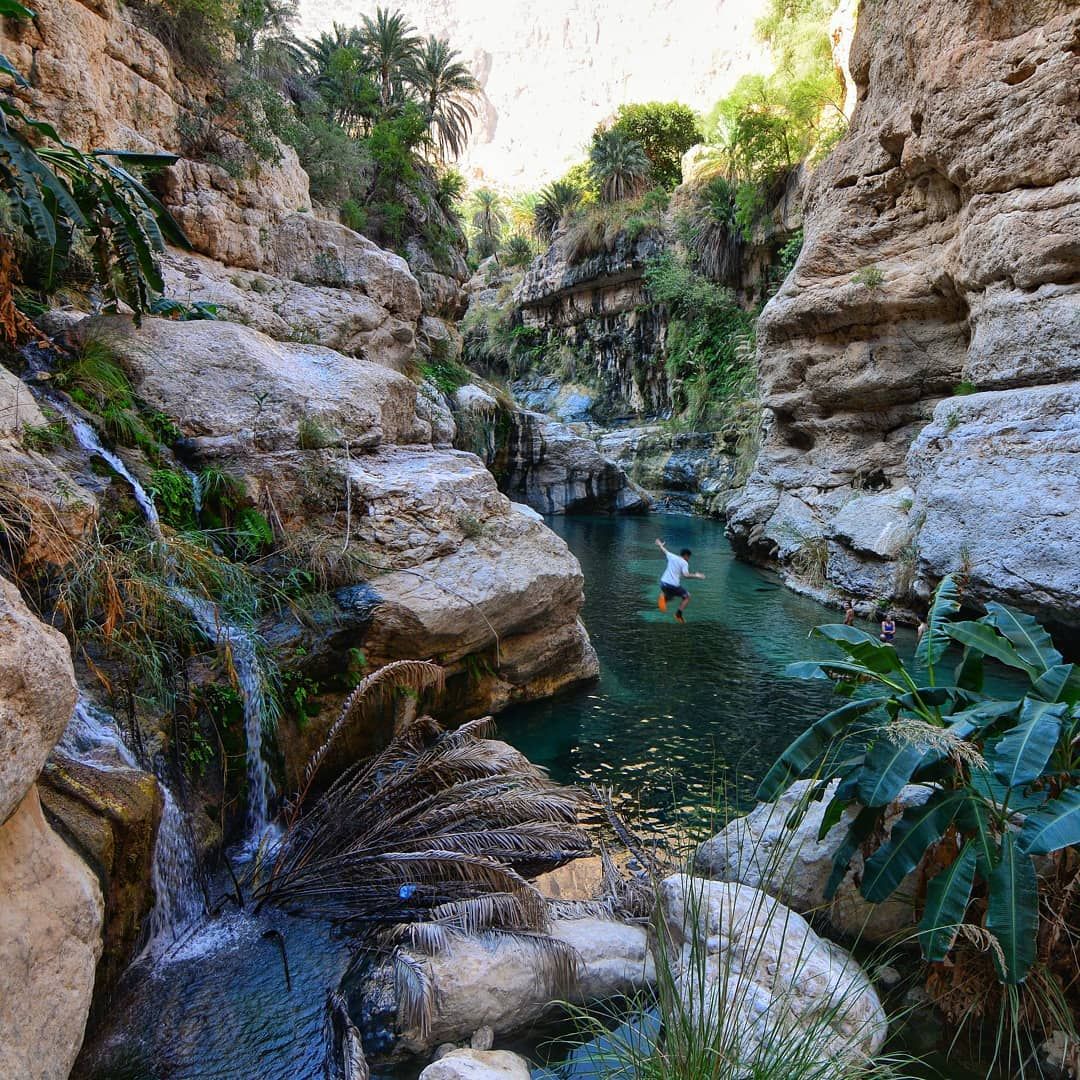
Located in the Hajar Mountains of Fujairah, around 45 kilometres from Fujairah City, Wadi Wurayah covers approximately 220 square kilometres. Its landscape of rocky mountains, deep pools, streams, springs and waterfalls creates a permanent freshwater ecosystem in one of the region’s otherwise arid environments.
What makes Wadi Wurayah particularly significant is its biodiversity. According to data cited in the UNESCO assessment, the protected area is home to 1,099 recorded species, including 883 animal and 216 plant species. At least 10 are considered globally threatened, while the park contains around half of all terrestrial mammal species and nearly half of the terrestrial reptile species recorded in the UAE.
Among its wildlife are rare species including the Arabian tahr and Arabian caracal. The reserve is also home to the UAE’s only native wild orchid species and numerous other plants and animals adapted to its unusual mountain and freshwater environment.
But Wadi Wurayah is important not only for its wildlife. Beneath the dramatic landscape lies an extraordinary geological record. The area contains extensive exposed ophiolite formations — fragments of ancient oceanic crust and upper mantle that were pushed to the surface through tectonic processes. The formations date back around 90 million years, giving scientists a rare opportunity to study geological processes that would normally remain deep beneath the Earth’s surface.
The site has been protected for years. Wadi Wurayah became the UAE’s first national park in 2013, following earlier conservation efforts aimed at preserving its freshwater resources, wildlife and mountain ecosystem. UNESCO recognition now gives that work a new international dimension.
World Heritage status can strengthen conservation efforts, encourage international scientific partnerships and provide additional global recognition for the reserve. At the same time, the designation places greater responsibility on protecting its fragile ecosystem as interest in the destination grows.
For the UAE, Wadi Wurayah’s inclusion represents something broader. The country is often associated internationally with desert landscapes, modern cities and ambitious architecture, but Fujairah’s mountains reveal a very different side of the Emirates — one defined by freshwater ecosystems, geological history and remarkable biodiversity.
With Wadi Wurayah now officially recognised by UNESCO, that landscape is no longer only a national treasure. It has become part of the world’s protected natural heritage.