Pascal Morabito is building a museum without walls in Bali
What if a museum did not need to keep its collection inside one building?
That question sits at the centre of Pascal Morabito’s latest project in Bali, where the French artist and designer is developing a new model for preserving art and cultural memory at Nuanu Creative City.
Called the Living Museum, the concept challenges one of the most familiar ideas in the art world: that once an object enters a museum collection, it should remain there permanently.
Morabito imagines something very different. Works can be studied, documented and displayed in Bali — and later travel to collectors around the world. Their physical location may change, but their history remains connected through an expanding digital archive.
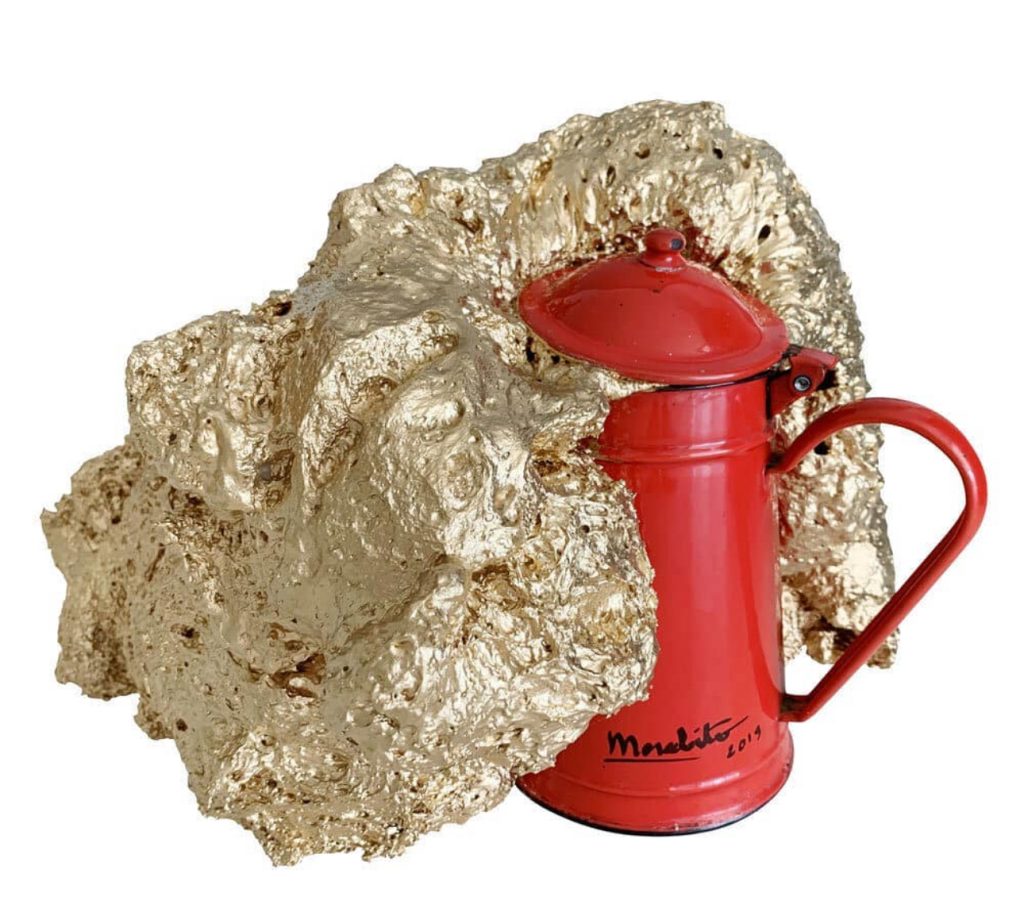
From jewellery and architecture to cultural research
Morabito’s career has never followed a single discipline.
Born in Nice into a family of jewellers of Italian origin, he originally studied architecture before turning his attention to contemporary jewellery. In 1968, he established a centre dedicated to the field, approaching jewellery less as decoration and more as architecture on a miniature scale.
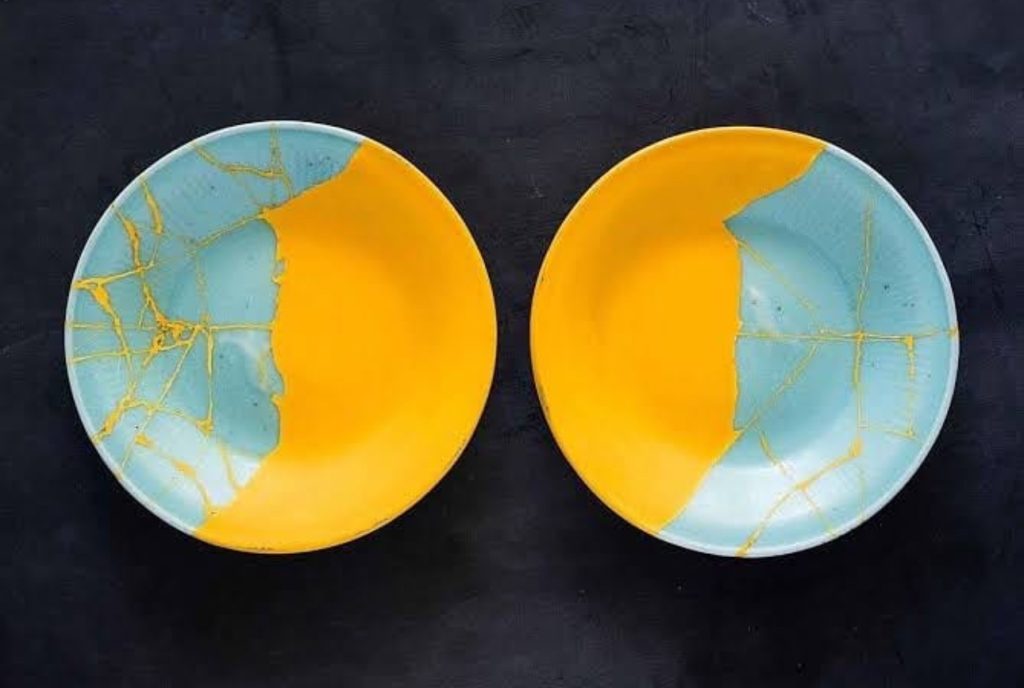
Two years later, he created Diamant Libre, one of his best-known works: a diamond suspended inside transparent synthetic crystal and framed in gold.
From there, his practice expanded continuously. Jewellery led to fragrance, furniture, sculpture, architecture and visual art.
Rather than moving from one profession to another, Morabito gradually created a creative language in which different disciplines could coexist.
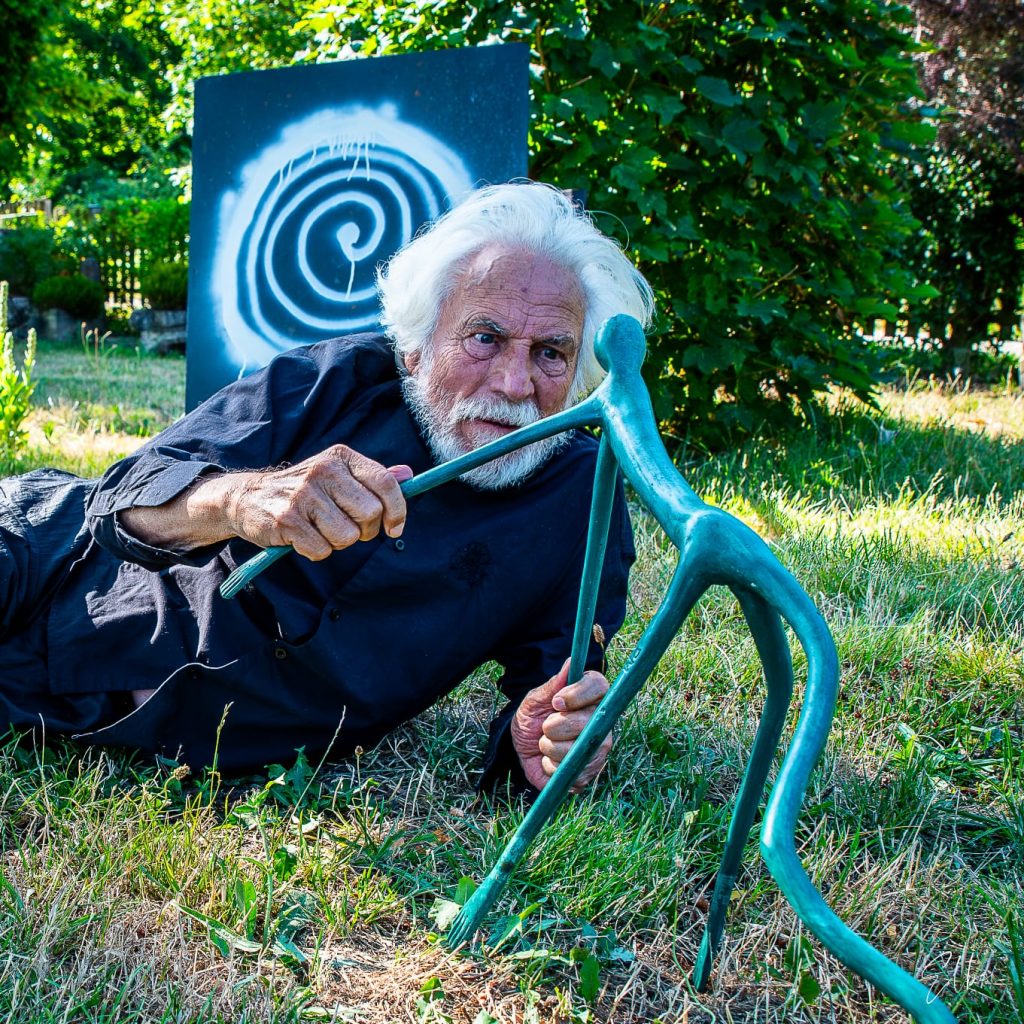
Bali changed the direction of his work
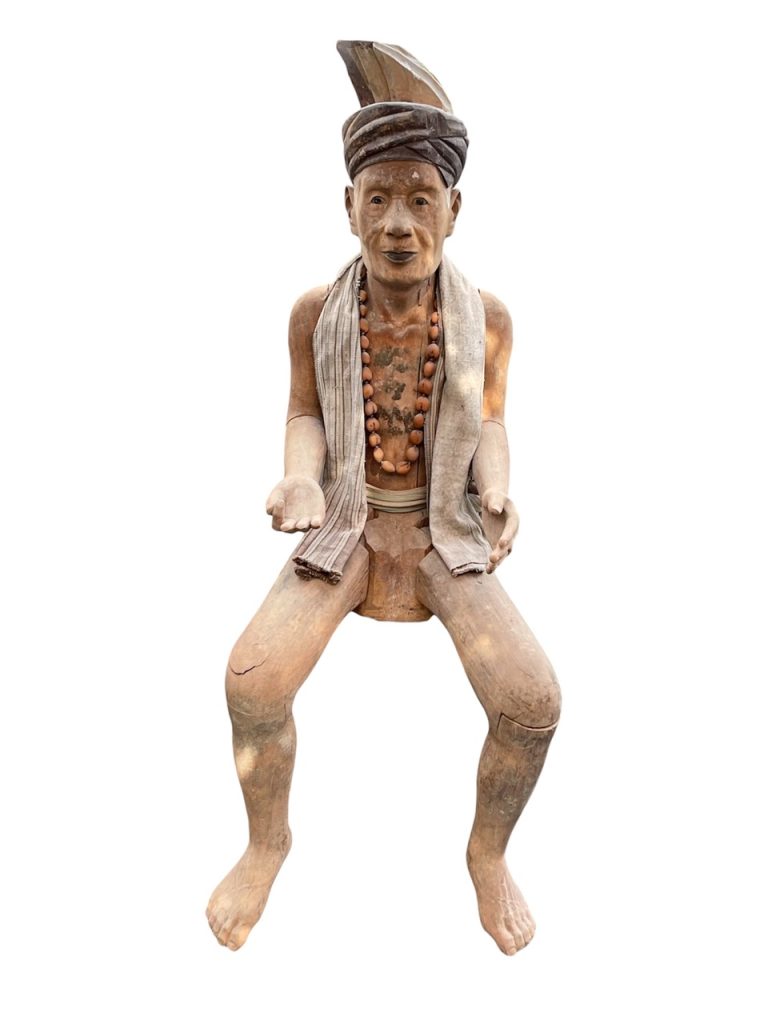
Nearly two decades ago, Bali entered that story.
What began as another chapter in Morabito’s life eventually became something much more permanent. Indonesia offered him access to a vast cultural landscape made up of distinct traditions, materials, rituals and visual identities.
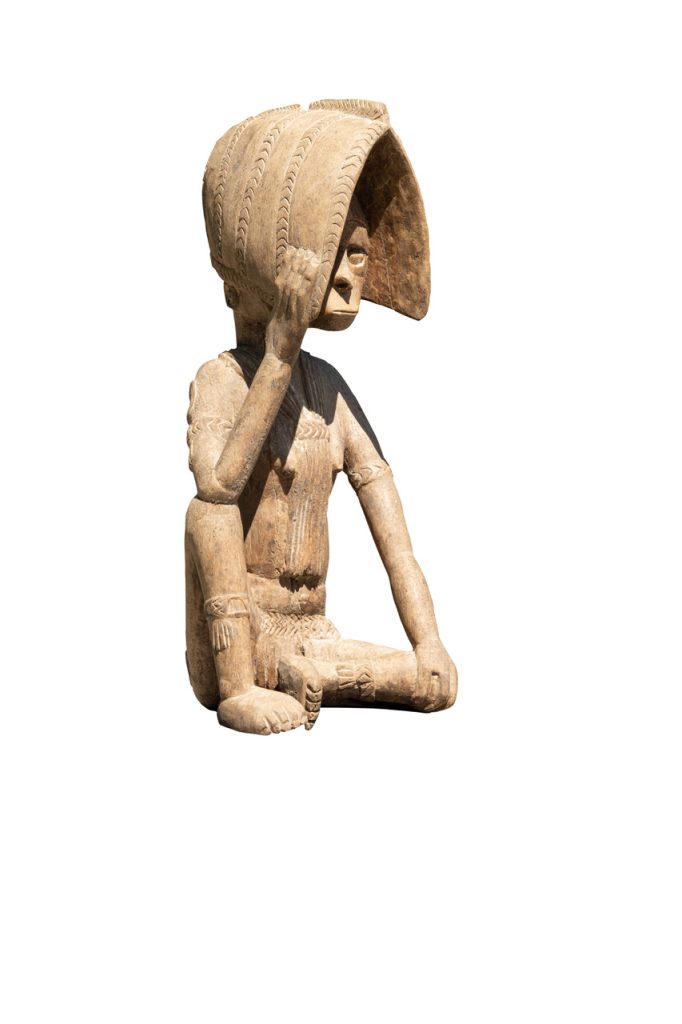
He became particularly interested in the way different Indonesian cultures could be understood through their objects.
Traditions associated with communities including the Batak, Sumba and Dayak became part of a much wider process of observation, collecting and research.
Morabito also began working with Indonesian antiquities and archaeological ceramics, including objects discovered through exploration on land and underwater.
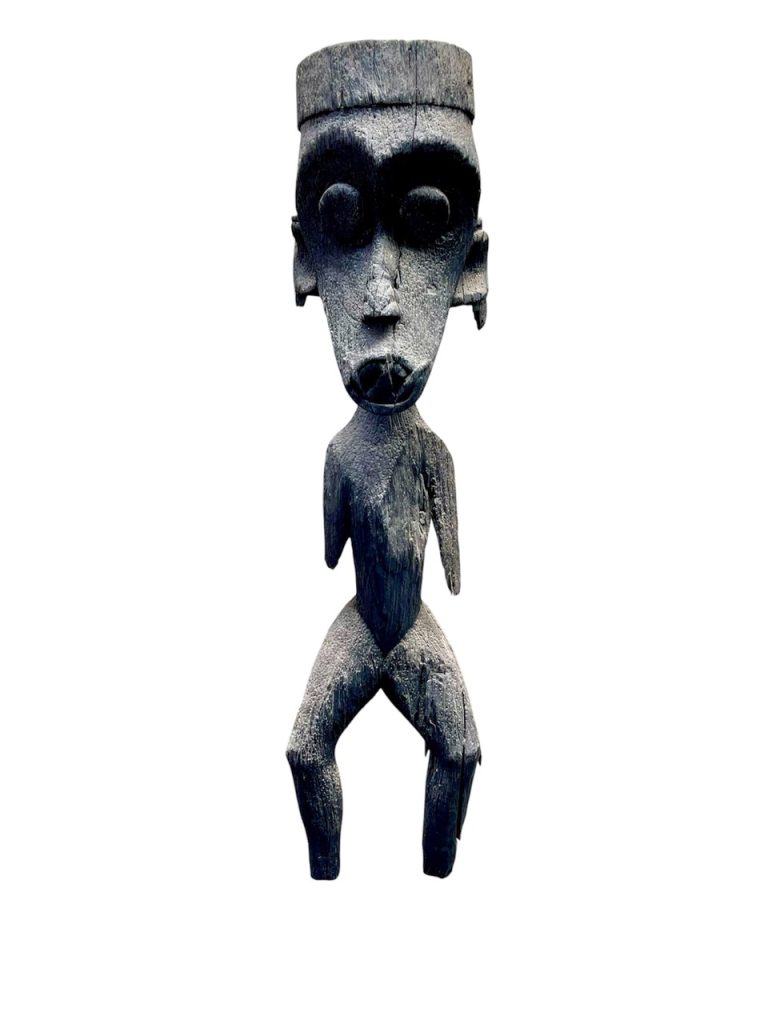
Broken vessels, traditional figures and historical fragments were not simply treated as relics. In his work, they could be reorganised, reconstructed and placed into new compositions.
This eventually led to an idea he described as “Multitude and Unity” — many objects, many identities and many histories becoming part of one larger narrative.
Nuanu becomes the starting point
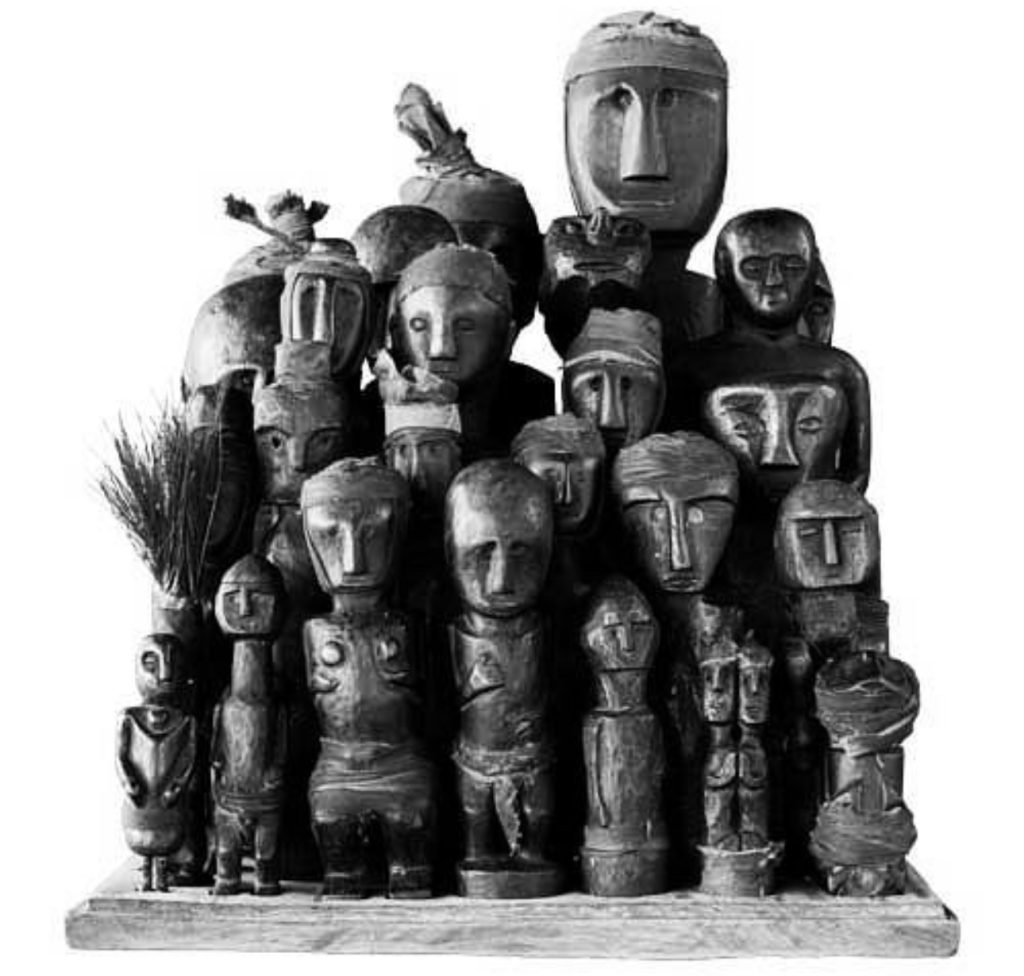
That philosophy is now taking physical form at Nuanu Creative City in Bali.
The first stage centres on an exhibition dedicated to Indonesian tribal art, bringing together objects and cultural archetypes connected with nine Indonesian islands.
But the exhibition itself is only the beginning.
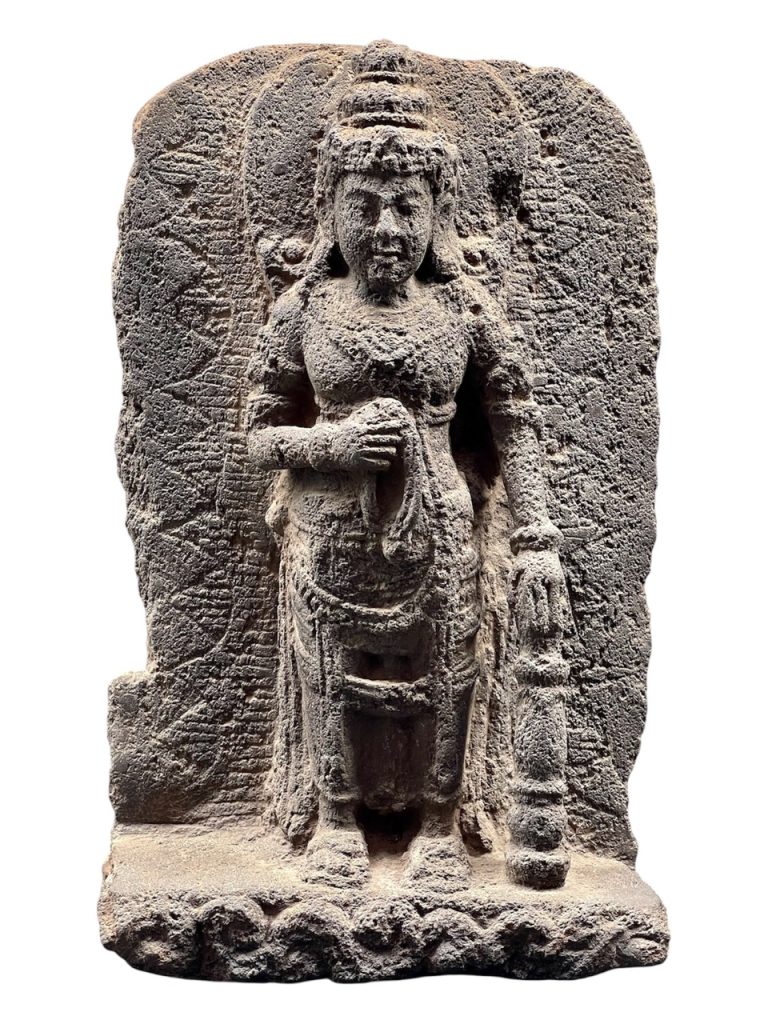
Morabito’s larger ambition is to create a museum that behaves less like a permanent storage space and more like an evolving cultural network.
In a conventional museum, an object is acquired, researched, catalogued and preserved. Once it joins the collection, its journey often effectively ends.
The Living Museum reverses that logic.
An object can enter the collection, be professionally documented and exhibited — and then leave again.
The artwork can leave. Its story cannot
Before an object moves on, the museum plans to create a detailed record around it.
Its photography, dimensions, history, provenance and relationship to the wider collection can all become part of a permanent digital archive.
Books and research materials can preserve additional context.
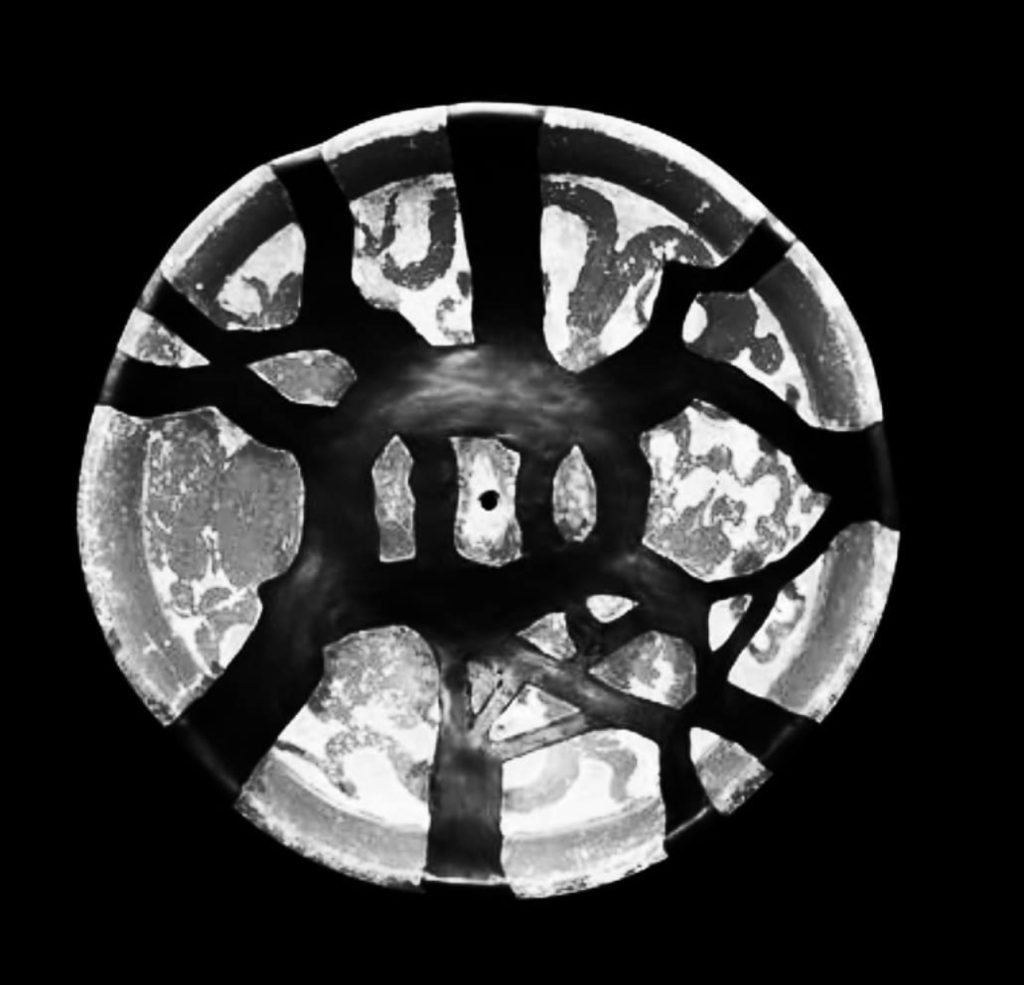
Then the physical work may begin another journey.
A visitor could discover something in Bali, decide to acquire it and eventually take it to Paris, Tokyo, New York or another destination entirely.
The object would no longer be physically present at Nuanu.
But within the museum’s archive, it would still exist as part of the same collection and the same cultural history.
This creates a radically different definition of what a museum can be.
Instead of becoming smaller when an object leaves, the museum can continue expanding geographically. Its collection may eventually exist in hundreds or thousands of locations while remaining intellectually connected.
A museum becomes a global network
In Morabito’s model, the building is no longer the institution’s most important boundary.
The connection between objects is created through information and memory.
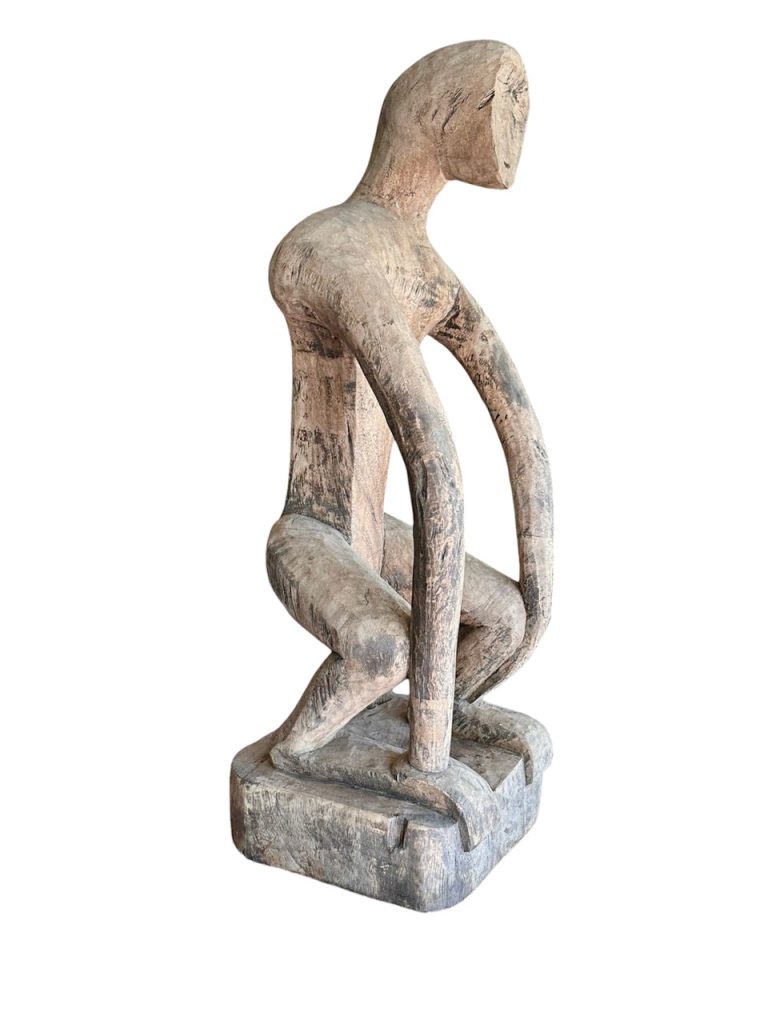
The museum can have a physical centre in Bali while parts of its collection live elsewhere around the world.
Someone visiting Nuanu could experience the project directly, while another person thousands of kilometres away could access the same historical network digitally.
It is an idea made possible by technology, but Morabito does not see technology as a replacement for physical art.
For him, seeing an image on a screen can never completely reproduce the experience of standing in front of an object.
Material, texture, scale, weight, signs of age and even the way light moves across a surface are part of the experience.
The digital archive preserves knowledge. The physical object preserves another kind of connection. The project is designed to keep both.
Collectors become custodians
The Living Museum also proposes a different relationship between collectors and the things they buy.
Someone who acquires an object would not simply become its new owner.
Within Morabito’s philosophy, that person becomes a custodian of part of a wider cultural story.
The work may legally belong to a private individual, yet its history, origin and relationship with other pieces remain accessible through the museum.
In this way, private ownership does not have to mean cultural disappearance.
It also means the museum gradually becomes something shared between the institution and the people who participate in it.
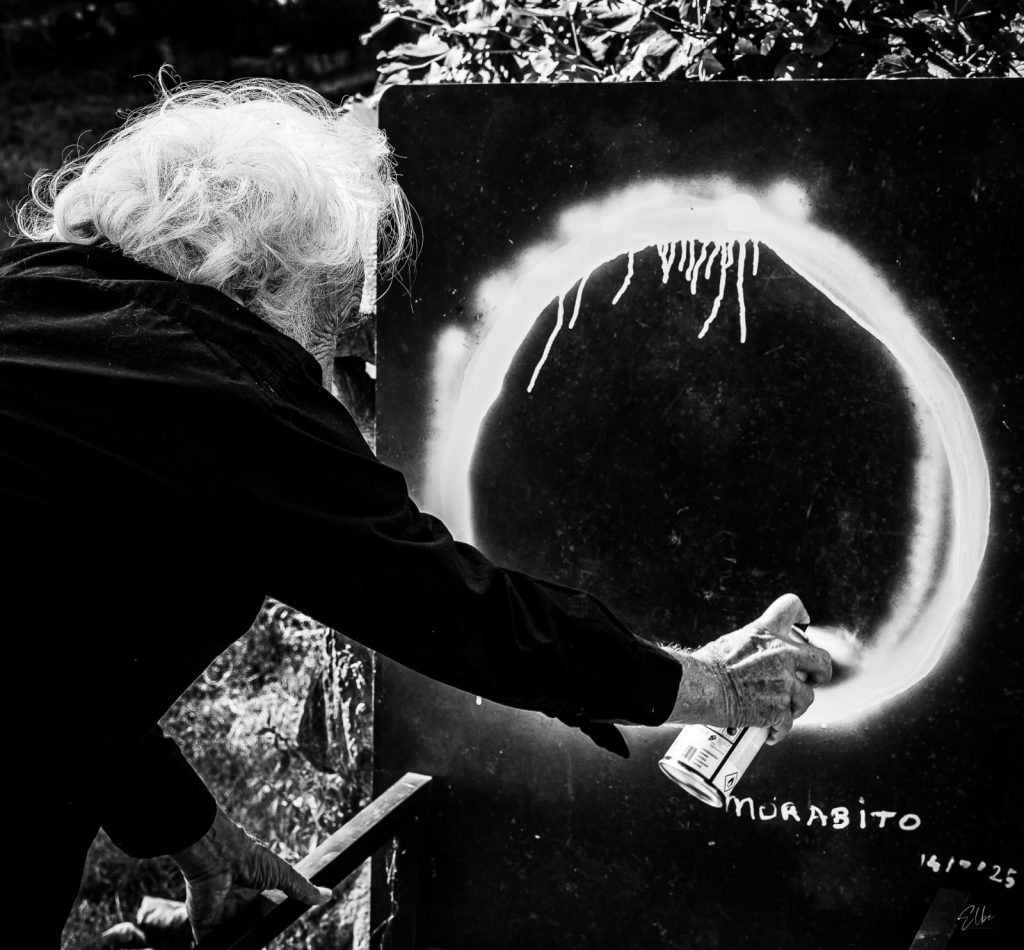
Could it become one of the world’s largest museums?
The most ambitious element of the concept is its potential scale.
Morabito believes the Living Museum could eventually grow into one of the largest museums in the world — not because it would occupy an enormous building, but precisely because it would not depend on one.
Imagine thousands of documented objects distributed among collectors across different countries.
Each has a recorded history and digital identity. Each remains linked to the collection it once physically belonged to.
The result would be a museum measured not only by square metres or the number of objects stored inside its walls, but by the size of the cultural network it has created.
Why Bali is the right place for the experiment
There is also a reason Morabito’s idea is developing in Bali rather than in a traditional European museum capital.
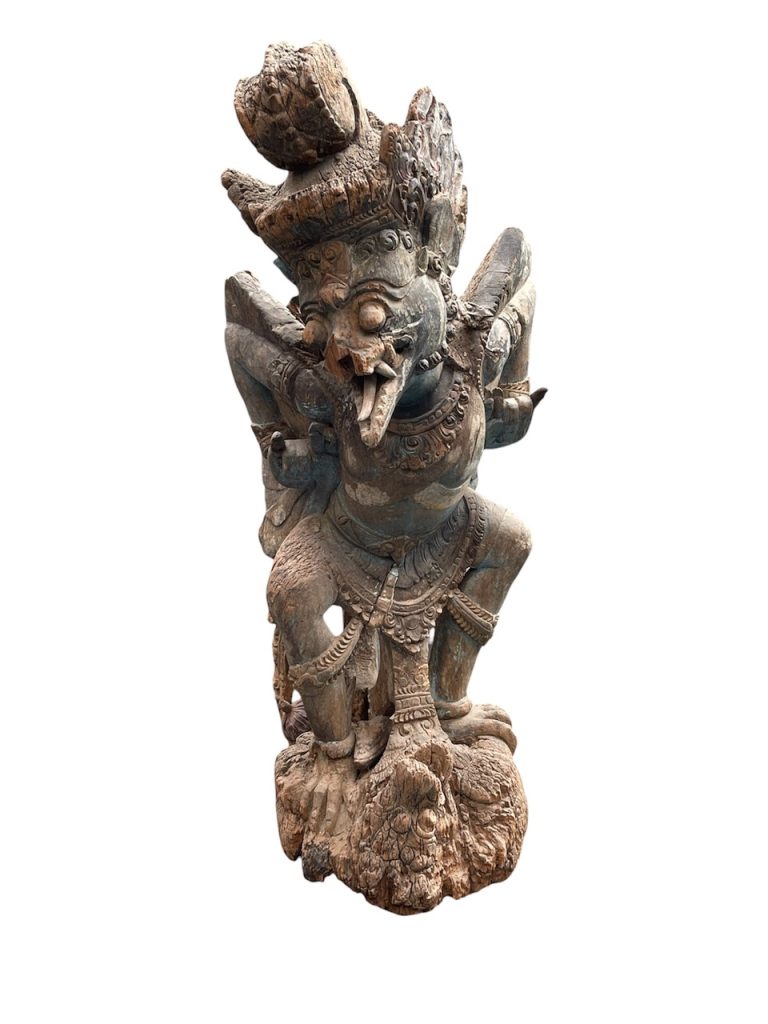
The island constantly brings different eras together.
Ancient religious rituals exist beside contemporary architecture. Traditional craftsmanship operates within an international creative economy. Artists, designers, entrepreneurs, collectors and digital creators arrive from around the world.
For Morabito, Bali has become both home and a creative laboratory — a place where he can observe how tradition survives while new ideas continue to emerge.
After nearly 20 years on the island, his latest project feels like a natural extension of that experience.
The Living Museum is ultimately asking a larger question about the future of culture: does preserving an object require keeping it in one place forever?
Morabito’s answer is no.
His museum allows art to move, change hands and enter new lives while ensuring that the knowledge surrounding it does not disappear.
It is an attempt to create an institution where preservation does not mean freezing something in time.
Instead, the past is allowed to continue travelling into the future.