



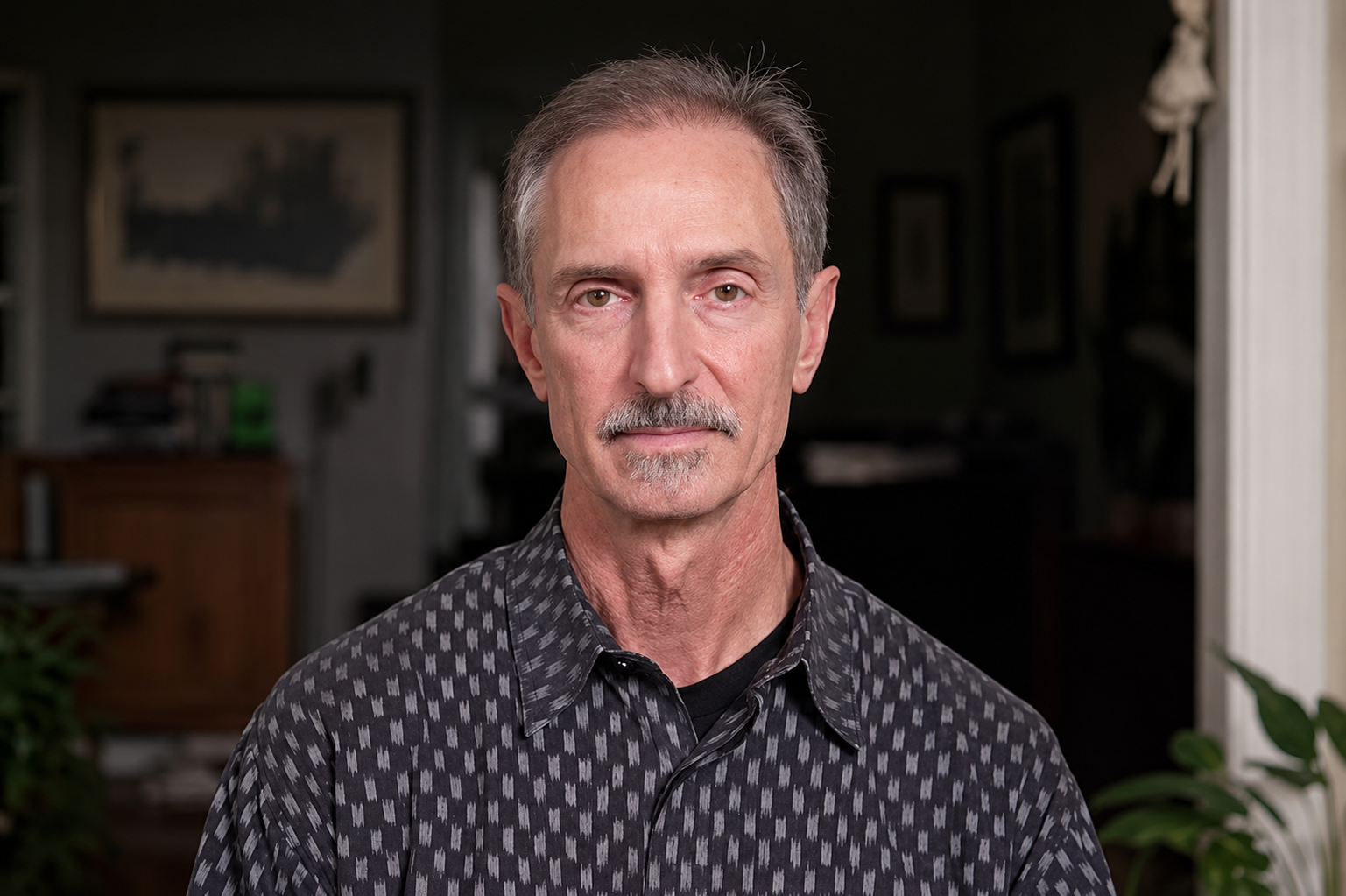
Tom Gruber: AI could make cities smarter without sacrificing privacy
Siri founder Tom Gruber believes the next generation of artificial intelligence could fundamentally change the way people interact with cities — helping residents access services, understand their rights and protect their personal information at the same time.
Speaking at LIVEX 2026 at ADNEC Centre Abu Dhabi, Gruber outlined a vision in which personal AI agents act as advocates for individuals rather than simply functioning as productivity tools.
From digital assistant to personal AI agent
Gruber was the opening speaker for a session titled “The city that thinks”, moderated by Dr Ayesha Khanna, CEO of Addo AI.
Fifteen years after Siri launched, he said recent developments in personal AI are finally beginning to deliver on the original idea behind digital assistants: allowing people to explain what they need in natural language and letting technology handle the process.
Modern AI agents can go much further than answering questions. They can navigate websites, complete forms and potentially make phone calls on behalf of their users.
But for Gruber, the bigger opportunity lies in creating AI systems that understand an individual’s life and work specifically in that person’s interests.
Why cities could be transformed by AI
Cities provide residents with a huge number of services, from transport and healthcare to education and energy.
The challenge is that each service comes with different rules, eligibility requirements and administrative processes. Residents may not even know that certain benefits or programmes are available to them.
Gruber believes a personal AI agent could understand those systems and automatically identify which services apply to each person.
Instead of residents having to search for assistance themselves, their AI could potentially tell them what they are entitled to and help them access it.
Accessing services without giving up private data
One of the most important parts of Gruber’s vision is privacy.
He gave the example of someone with a chronic medical condition who may qualify for priority transport or reserved parking because of frequent hospital visits.
Under many current systems, that person might have to provide sensitive medical information directly to a government authority.
Gruber suggested that a future AI agent could instead verify that the person qualifies without revealing the underlying diagnosis.
The agent could recognise a certificate from a doctor, compare it with the city’s eligibility rules and then use cryptographic verification to confirm that the resident should receive the benefit.
The city could provide access without ever seeing the person’s private medical details.
Gruber believes the same principle could apply to income-based programmes and many other public services.
‘AI should be on our side’
Gruber described this approach as humanistic AI — technology intentionally designed to work for people rather than simply compete with or replace them.
He compared the current moment in AI development with the early days of the internet.
In his view, weaknesses in the way the internet was originally designed eventually contributed to major platforms gaining enormous control over users and their data.
AI, he argued, offers an opportunity to make different choices from the beginning.
“We have the opportunity to design it right this time, so that AI is on our side,” he told the Abu Dhabi audience.
Cities as learning systems
Gruber also sees personal AI agents as a way to improve the relationship between residents and local governments.
A city constantly tries to improve areas such as transportation, education, healthcare and energy. At the same time, residents are the people actually experiencing those services every day.
Personal AI agents could potentially create a direct feedback loop between the two.
Verified residents could allow their agents to automatically provide feedback about services, giving city authorities more useful information while confirming that the feedback comes from real users rather than automated bots.
The result, Gruber suggested, could be a city that continuously learns from the people living in it.
A different future for personal technology
For Gruber, the most important question is ultimately who AI works for.
Instead of a future in which one major technology platform controls people’s data and digital lives, he believes individuals could each have powerful AI systems acting specifically in their own interests.
That shift could become particularly significant in cities such as Abu Dhabi and Dubai, where digital government services and smart-city technology are already becoming increasingly integrated into everyday life.
Gruber’s message at LIVEX was clear: the next stage of AI will not be defined only by what machines can do, but by who those machines are designed to serve.