UAE’s Lana Nusseibeh pledges relentless diplomacy in bid to lead the United Nations
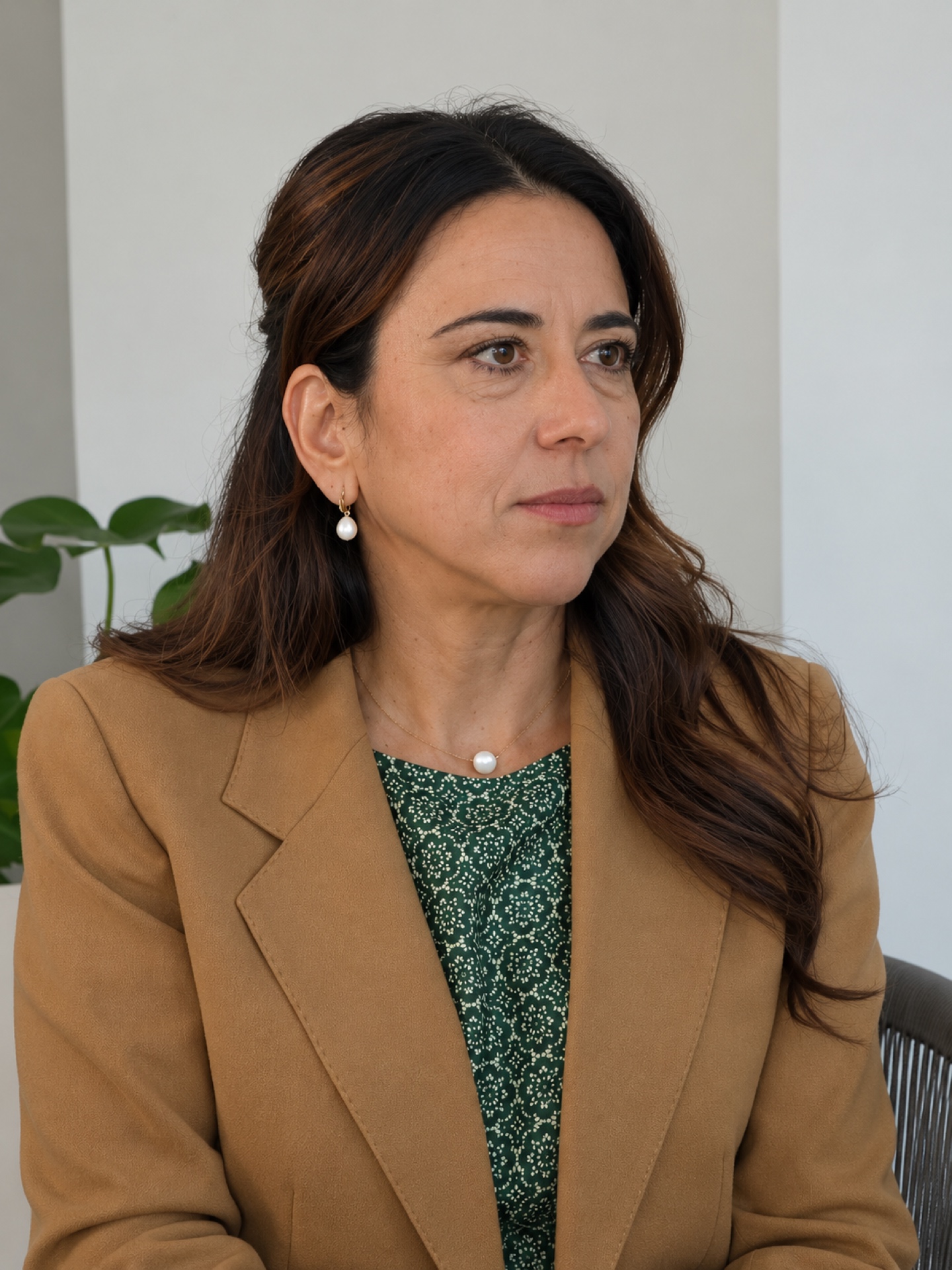
Lana Nusseibeh has outlined a vision for a more active, focused and accountable United Nations as she campaigns to become its next Secretary-General. In an interview with Euronews, the Emirati diplomat pledged persistent mediation and a stronger emphasis on delivering results for people affected by conflict.
The UAE formally nominated Nusseibeh on October 21. She is seeking to succeed António Guterres, whose current term ends on December 31, 2026.
Putting diplomacy at the centre
Nusseibeh said the next Secretary-General should act as a chief mediator, keeping communication open between opposing parties and pursuing opportunities for peace even when success appears uncertain.
“I am a relentless diplomat,” she told Euronews, describing that approach as the foundation of her candidacy.
Her proposals emphasise practical agreements that can reduce suffering while creating space for broader negotiations. Local truces, prisoner exchanges and access for food and medicine would provide starting points, supported by continued diplomatic engagement.
She also proposed a mediation board bringing together outside experts and UN officials. Local community leaders and women’s networks would play a greater role in those efforts, while a dedicated contact within her office would focus on protecting humanitarian workers.
A United Nations judged by its results
Institutional reform is another central part of her programme. Nusseibeh argues that the organisation should assess activities against their purpose, cost and practical impact, while concentrating resources where the UN can make the greatest difference.
That approach would include reducing duplication, moving leadership and resources closer to operations in the field, and working with partners better placed to deliver particular tasks.
In her first 100 days, she said she would seek a shared vision with member states and civil society. She also proposed publishing a scorecard so governments and donors could assess progress against clear commitments.
Her wider development agenda includes decent employment, fairer debt solutions and opportunities for countries affected by instability, alongside consistent application of international law and human rights.
Experience and the question of independence
Nusseibeh served as the UAE’s Permanent Representative to the UN from 2013 to 2024. Her experience includes serving as a Vice-President of the General Assembly, President of the Executive Board of UN Women and, twice, President of the Security Council during the UAE’s 2022–2023 membership.
If appointed, she would become the first woman to lead the organisation. She has emphasised, however, that her candidacy rests on diplomatic experience and judgement.
Her campaign has also faced scrutiny over the UAE’s alleged support for Sudan’s Rapid Support Forces, allegations the UAE denies. Critics have questioned how her record as a government representative relates to the independence required of the UN’s top official.
Responding to questions about independence, Nusseibeh pointed to Article 100 of the UN Charter and pledged allegiance to the Charter and international law. She has taken leave from her UAE government responsibilities while campaigning.
How the next Secretary-General will be appointed
The appointment requires a recommendation from the UN Security Council, followed by a decision of the General Assembly. Candidates present their programmes and answer questions from member states and civil society as part of the selection process.
The Council’s informal consultations and straw polls take place privately. No date has yet been announced for its recommendation or the General Assembly’s appointment meeting. The next term is due to begin on January 1, 2027.