Sheikh Hamdan approves Dubai Metro link to Al Maktoum International Airport
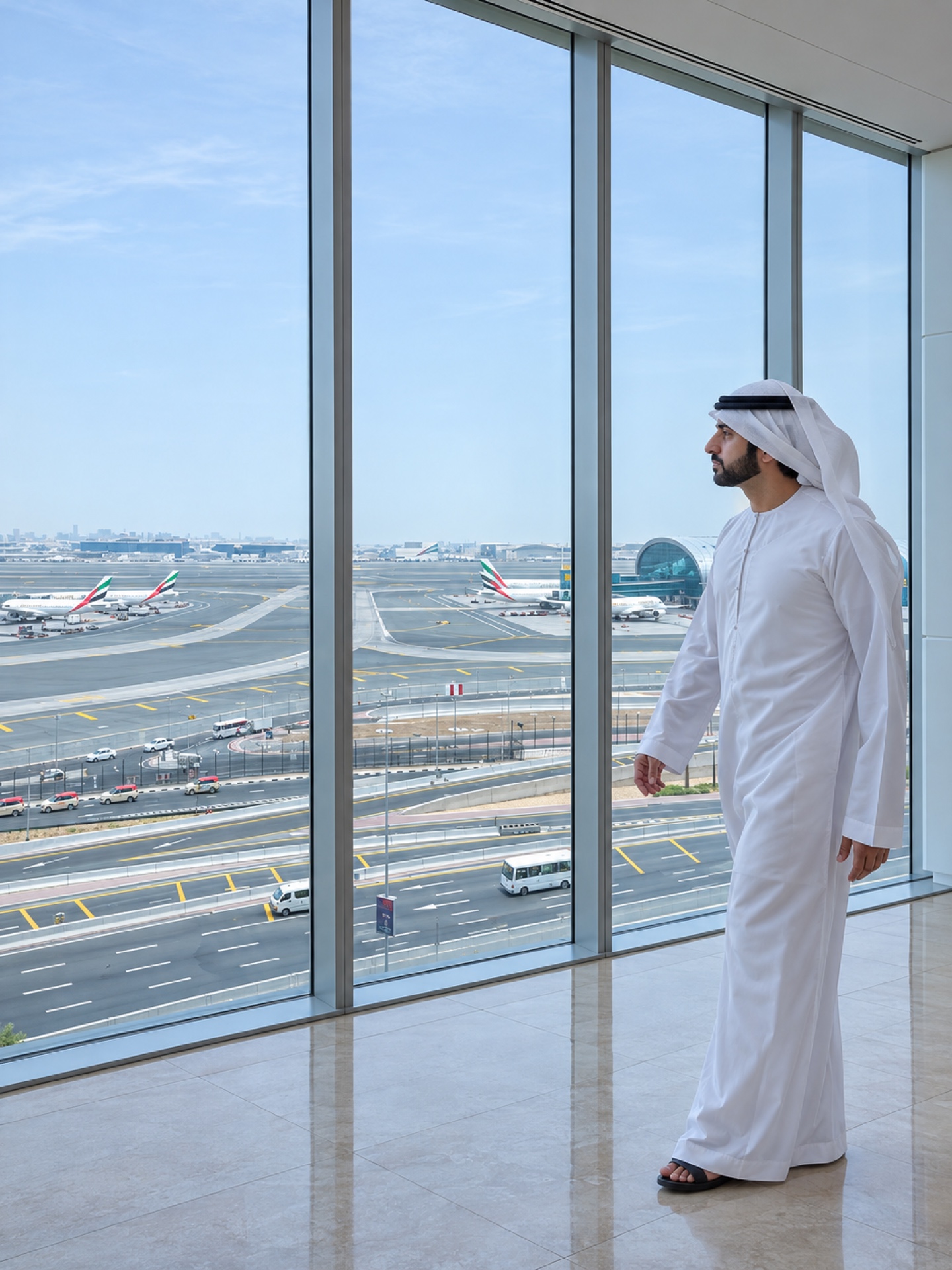
Sheikh Hamdan bin Mohammed bin Rashid Al Maktoum has approved a Dh2 billion extension of Dubai Metro that will connect Route 2020 to Al Maktoum International Airport City, with services scheduled to begin in 2031.
The project will add three kilometres and two stations to the network, providing a connection to the airport’s West Terminal as Dubai prepares for the next stage of its aviation expansion.
The decision was announced on November 10 during a meeting of Dubai’s Executive Council held alongside the UAE Government Annual Meetings in Abu Dhabi.
Two new stations connecting the airport city
The extension will be delivered jointly by the Roads and Transport Authority and the Dubai Engineering Projects Establishment.
At Al Maktoum International Airport, the route is planned to integrate with the airport express line and Etihad Rail’s high-speed network, bringing different rail services together at the developing aviation hub.
For passengers, airport employees and visitors, the project is intended to provide easier access while helping improve traffic flow on surrounding roads.
The existing Route 2020 spans 15 kilometres between Jebel Ali and Expo City Dubai. Its corridor serves established residential communities including The Gardens, Discovery Gardens, Al Furjan, Jumeirah Golf Estates and Dubai Investment Park. The airport extension will build on that connection between neighbourhoods and major destinations.
Preparing for Dubai’s next aviation hub
Al Maktoum International Airport, also known as Dubai World Central, is being developed as the emirate’s main aviation hub. Dubai plans to transfer commercial operations from Dubai International Airport to the expanded facility between 2032 and 2035.
The Metro’s scheduled 2031 opening would therefore establish the rail connection ahead of that planned transition.
Sheikh Hamdan, Crown Prince of Dubai, Deputy Prime Minister, Minister of Defence and Chairman of the Executive Council, described the airport city as one of Dubai’s most significant strategic projects. He linked the Metro extension to the development of an integrated transport system capable of supporting its ambitions.
Dh9.59 billion for community facilities
The Metro approval formed part of a wider Dh11.59 billion investment package, including a Dh9.59 billion plan to develop public services and community facilities through 2040.
The programme will cover existing and planned residential areas, with phased implementation prioritising neighbourhoods for Emirati citizens.
Facilities will span healthcare, education, safety, security and sport, alongside amenities for senior Emiratis and spaces for family and community activities.
The Supreme Committee for Urban Planning in Dubai will supervise the programme in coordination with Dubai Municipality. Its aim is to distribute services efficiently and fairly as the city grows, improving access for different generations and supporting stronger community connections.
Infrastructure alongside a growing city
The council also approved findings from a Dubai Land Department study examining the future of the property market. It reported residential occupancy of 97 per cent, retail occupancy of 98 per cent and office occupancy of 94 per cent.
The study projects 365,000 additional residential units and approximately 1.1 million square metres of office and retail space by 2030. Its findings will help guide policy and development decisions in partnership with the private sector.
For Sheikh Hamdan, the infrastructure and community programmes share a practical objective: ensuring that residents experience the benefits of Dubai’s development in their daily lives.
“Our goal is for the people of Dubai to experience the benefits of the city’s growth in their everyday lives,” he said.