
Dubai Braces for Record Millionaire Influx as Global Wealth Shifts East
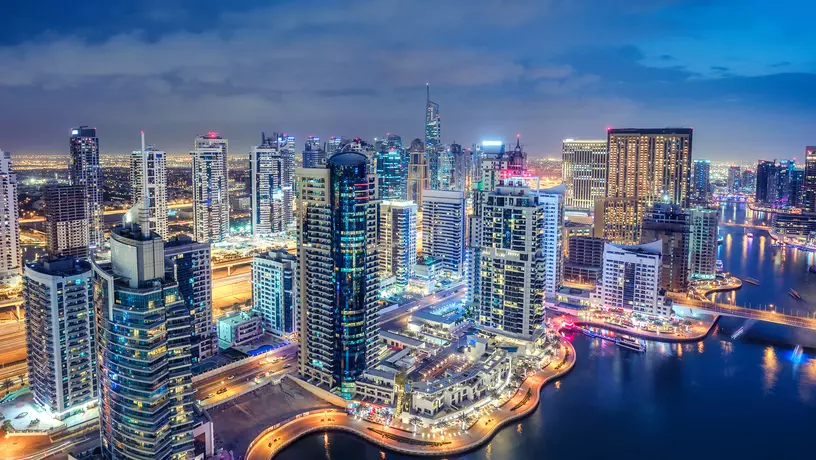
Dubai is set to welcome an unprecedented wave of millionaires in 2025, with an estimated 7,100 high-net-worth individuals (HNWIs) expected to relocate to the emirate, bringing over $7 billion in private wealth. This surge, equivalent to nearly half of Dubai’s total foreign direct investment (FDI) in 2024, underscores the city’s accelerating transformation into a permanent hub for the global elite—far beyond its earlier reputation as a transient luxury playground.
The UAE’s appeal lies in its trifecta of tax efficiency, political stability, and world-class infrastructure. Unlike traditional financial centers such as London, Hong Kong, and San Francisco—where rising taxes and geopolitical tensions are driving wealth migration—Dubai imposes zero income and capital gains taxes, offers Golden Visa residency programs, and guarantees full repatriation of profits. These policies have already propelled the UAE to 14th place among the world’s largest wealth markets, with 130,500 millionaires as of 2024—a near doubling over the past decade.
The incoming millionaires are not just parking capital; they are anchoring their futures in Dubai. Louis Harding, CEO of Betterhomes, notes a shift from speculative investments to “legacy properties and long-term vision,” with luxury real estate in areas like Palm Jumeirah and Emirates Hills seeing record prices and off-market sales. The emirate’s property market, once fueled by short-term buyers, is now dominated by ultra-high-net-worth individuals (UHNWIs) acquiring branded residences, private islands, and smart homes as generational assets.
Beyond real estate, Dubai’s rise reflects a broader recalibration of global finance. The Dubai International Financial Centre (DIFC), operating under English common law, has become a magnet for family offices and cross-border investors, while the Virtual Asset Regulatory Authority (VARA) positions the city as a crypto and blockchain leader. Meanwhile, the D33 Economic Agenda—aiming to double Dubai’s GDP by 2033—is attracting institutional capital to sectors like fintech, renewable energy, and AI.
Critics point to lingering challenges, including regulatory complexity and past money laundering concerns. However, Dubai’s aggressive reforms, including enhanced anti-money laundering (AML) laws and streamlined business licensing, have restored confidence. The emirate’s adaptability was evident during the pandemic, when its open borders and rapid vaccine rollout contrasted with lockdowns elsewhere.
As wealth flees Western hubs—11,000 millionaires left London in 2024 alone—Dubai’s strategic location between Europe, Asia, and Africa offers a unique advantage. The city is no longer a tax haven but a “blueprint” for the next era of global finance, combining investor-friendly policies with elite lifestyle perks, from Michelin-starred dining to AI-driven governance.
With centi-millionaire numbers projected to double by 2035, Dubai’s trajectory is clear: it is not just attracting wealth but redefining its role in the global economy. As one analyst puts it, “The world’s elite aren’t just moving here—they’re building institutions, families, and legacies”. For cities clinging to old financial hierarchies, Dubai’s rise is a wake-up call. For investors, it’s an undeniable opportunity.
Source: Gulf News