
Dubai Hotels Get an Eid Lift as Staycation Demand Surges
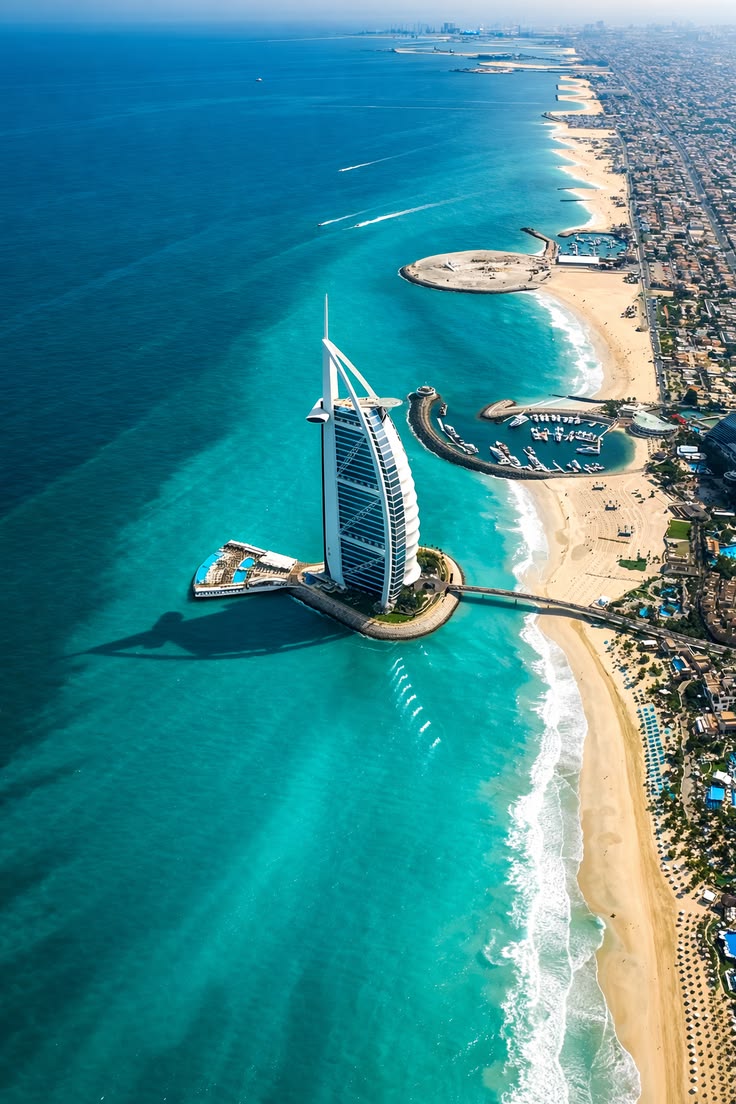
Dubai’s hospitality sector is seeing a much-needed short-term rebound ahead of the nine-day Eid Al Adha holiday period, as hotels across Dubai and Abu Dhabi report a sharp rise in bookings driven by staycations, family travel, GCC leisure demand, and festive-season visitors. According to The Economic Times, the holiday stretch begins on Saturday, and several operators are now preparing for one of the busiest periods the market has seen in months.
The recovery comes after a difficult stretch for the UAE hotel market. The Economic Times reports that months of war-related regional disruption had pushed occupancy at some properties down to near-single-digit levels, with several hotels seeing rates fall to around 15–20% in mid-March. Against that backdrop, the Eid holiday period is now being viewed by the sector as a welcome breather.
Industry expectations for the holiday are notably stronger. While some top hotels are forecasting 90–100% occupancy during peak Eid days, the broader industry average is expected to land around 70–80%. Anuj Kejriwal, CEO EMEA at ANAROCK Group, described the moment as a lifeline for Dubai hospitality, calling it the biggest domestic tourism boom since the conflict began and noting that the surge is being led largely by UAE residents choosing local staycations.
Hotel operators are also seeing measurable gains in pricing and performance. Saurabh Tiwari of Indian Hotels Company said Taj Downtown and Taj JLT are expecting occupancy to increase by 70% to 75% over their regular baseline of 40% to 45%, alongside average daily rate growth of 15% to 20% during Eid. For the group’s resort property on The Palm, ADR is expected to rise by 60% to 70%, while occupancy could increase by 35% to 40% compared with a regular May weekend.
Part of the demand shift is being linked to travel conditions beyond the hotel sector itself. According to market experts cited by The Economic Times, not all airlines are fully operational from the UAE yet, while higher fuel prices have also increased ticket costs. That combination is pushing more residents toward domestic travel instead of flying abroad for the long break. At the same time, several private-sector companies reportedly aligned their leave schedules with the extended holiday period, helping to accelerate last-minute bookings further.
Data points in the report suggest the momentum is real. RateGain said booking volumes for the upcoming week were pacing nearly 76% higher week-on-week, with room nights up around 28%, booking value up close to 39%, and average daily rates increasing by almost 9%. Hotel teams are now ramping up staffing again, with some properties reportedly recalling former workers or hiring temporary staff to handle the sudden holiday rush.
The rebound, however, is being framed as temporary rather than fully structural. RedSeer Middle East noted that while family-friendly resorts and value-focused properties are likely to benefit during the break, RevPAR may still remain below normal levels, and a sustained sector recovery will still depend heavily on the return of stronger inbound international travel. Even the projected 70–80% Eid occupancy remains below the 84% levels seen in early 2026 before the war, though it marks a clear improvement from the lows of the second quarter.
There is also some policy support helping the sector. The Economic Times reports that the Dubai government announced a AED 1.5 billion support package for key sectors including hospitality and tourism, aimed at cushioning businesses from the prolonged effects of regional conflict. Measures include suspending collection of 7% municipal fees on hotel room and restaurant sales, exempting collection of the Tourism Dirham, and waiving several permit- and event-related charges.
For Dubai People, the bigger picture is clear: this Eid is giving Dubai hospitality a timely moment of relief. The city’s hotels may still be navigating the aftershocks of geopolitical disruption, but the holiday booking wave shows that demand for local luxury, family breaks, and festive staycations remains very much alive. In a market built on resilience and reinvention, even a short nine-day window can shift the mood.