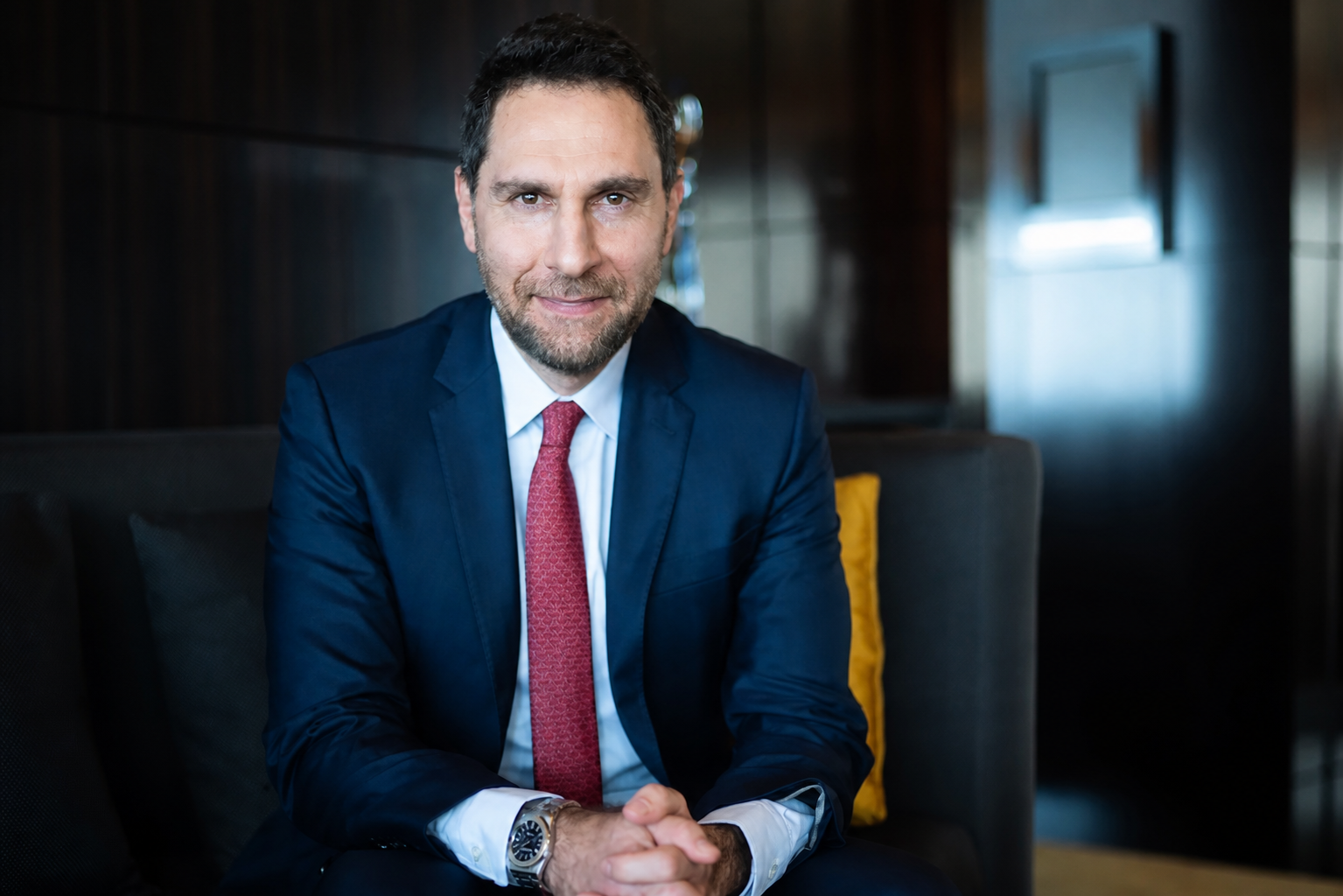
IHG’s Haitham Mattar explains Middle East hospitality growth
The Middle East continues to strengthen its position as one of the world’s most attractive hospitality markets, supported by major tourism investment, strong aviation connectivity and long-term economic diversification across the GCC.
For IHG Hotels & Resorts, the region remains a key area for expansion despite geopolitical uncertainty and changing global travel patterns. Haitham Mattar, Managing Director for India, Middle East & Africa at IHG, says demand across the region has remained resilient, particularly in segments such as resorts, staycations, long-stay accommodation and religious tourism.
GCC tourism continues to show resilience
The GCC’s hospitality sector has benefited from several structural advantages that continue to support tourism demand.
Governments across the region are investing heavily in infrastructure, aviation, cultural attractions, entertainment, sports, business events and new tourism destinations. At the same time, clear national tourism strategies are helping diversify the types of travellers visiting the region.
The UAE already operates one of the region’s most mature tourism ecosystems, combining leisure, business travel, MICE, family tourism and luxury hospitality.
Saudi Arabia, meanwhile, is developing demand across religious tourism, corporate travel, government activity, major events, entertainment and new leisure destinations. Egypt also remains a high-potential hospitality market due to its scale, cultural heritage, established leisure appeal and improving infrastructure.
UAE and Saudi Arabia central to IHG growth
The UAE and Saudi Arabia are at the centre of IHG’s long-term regional expansion strategy.
As of March 2026, IHG operated 39 hotels with almost 12,000 rooms in the UAE, with another 12 hotels and more than 2,300 rooms in development.
In Saudi Arabia, the group had 48 hotels representing approximately 24,800 rooms, alongside a pipeline of another 62 hotels and nearly 20,000 rooms.
IHG’s strategy is not simply focused on increasing the number of properties. The company says each development is assessed according to local demand, location, brand suitability and its ability to generate long-term value for owners.
Among the strongest opportunities identified across the Middle East are luxury and lifestyle hotels, branded residences, resorts, long-stay accommodation, hotel conversions and mainstream hospitality brands.
Travellers expect more from hotels
Changing guest expectations are also influencing the type of hotels being developed across the region.
Travellers increasingly want properties that offer more than accommodation. Wellness, gastronomy, culture, entertainment, sport and opportunities to spend meaningful time with family or friends are becoming central parts of the hotel experience.
This shift is turning hotels into destinations in their own right rather than simply places to sleep.
IHG is responding through a broad portfolio of brands.
Its luxury and lifestyle collection includes Six Senses, Regent, InterContinental, Vignette Collection and Hotel Indigo, while voco and Crowne Plaza serve premium business and leisure demand. Holiday Inn and Holiday Inn Express provide more accessible accommodation for a wider group of travellers.
The company is also seeing increasing demand for resorts, branded residences, suites and extended-stay concepts.
AI will reshape the hotel experience
Artificial intelligence is expected to become one of the most influential technologies in hospitality over the next several years.
Hotels are already using AI, automation and predictive analytics to better understand demand, anticipate guest preferences, improve planning and make faster commercial decisions.
However, the objective is not to remove people from hospitality.
IHG sees technology as a way to reduce repetitive processes and give hotel teams more time to focus on meaningful interaction with guests.
Personalisation will also continue to become more important. Digital platforms and loyalty programmes such as IHG One Rewards allow hotels to better understand traveller preferences and offer more relevant experiences throughout a stay.
Sustainability becomes a business priority
Sustainability is expected to play an increasingly important role in the way hotels are designed, operated and valued.
Hotels will need to manage energy, water and other resources more efficiently while maintaining the levels of comfort expected by guests.
For hotel owners and investors, sustainable operations are also becoming connected to efficiency and the long-term value of their properties.
This means sustainability is moving beyond being simply a branding or environmental issue and becoming part of the financial and operational strategy of hospitality businesses.
People remain at the centre of hospitality
Despite the growing importance of technology, Mattar argues that successful hospitality will continue to depend heavily on people.
Hotel operators need strong distribution networks, commercial expertise, operational discipline and recognizable brands, but these systems only create value when hotel teams can translate them into consistent guest experiences.
Talent therefore remains one of the defining factors separating successful operators from the rest of the market.
Hotels cannot build destinations alone
Mattar’s previous experience in destination development in Saudi Arabia and as CEO of Ras Al Khaimah Tourism Development Authority has also shaped IHG’s regional strategy.
One of the most important lessons, he says, is that hotels alone cannot create successful tourism destinations.
Sustainable tourism growth requires connectivity, infrastructure, attractions, effective destination marketing and skilled talent, together with cooperation between government and private companies.
Hotel development must also follow genuine demand rather than expanding faster than a destination can support.
Middle East hospitality enters its next stage
The Middle East’s tourism transformation is increasingly moving beyond the construction of individual hotels.
Cities and destinations across the region are developing complete ecosystems around aviation, culture, entertainment, business, lifestyle and hospitality.
For the UAE, this means continuing to build on an already established global tourism position while introducing more specialised luxury, lifestyle and long-stay concepts.
For Saudi Arabia, it means creating entirely new destinations and expanding the range of reasons international and domestic travellers have to visit.
With IHG already operating more than 220 hotels across India, the Middle East and Africa and maintaining a pipeline of more than 245 properties across the wider region, the group sees considerable room for further growth.
The long-term opportunity is increasingly clear: as travel becomes more experience-driven and destinations across the GCC continue investing in tourism infrastructure, the Middle East is positioned to remain one of global hospitality’s most important growth markets.