UAE to invest €40 billion in Germany in major strategic push
The UAE is planning to invest €40 billion ($46.5 billion) in Germany, marking one of the most significant new economic commitments between the two countries and opening a new chapter in their long-standing partnership.
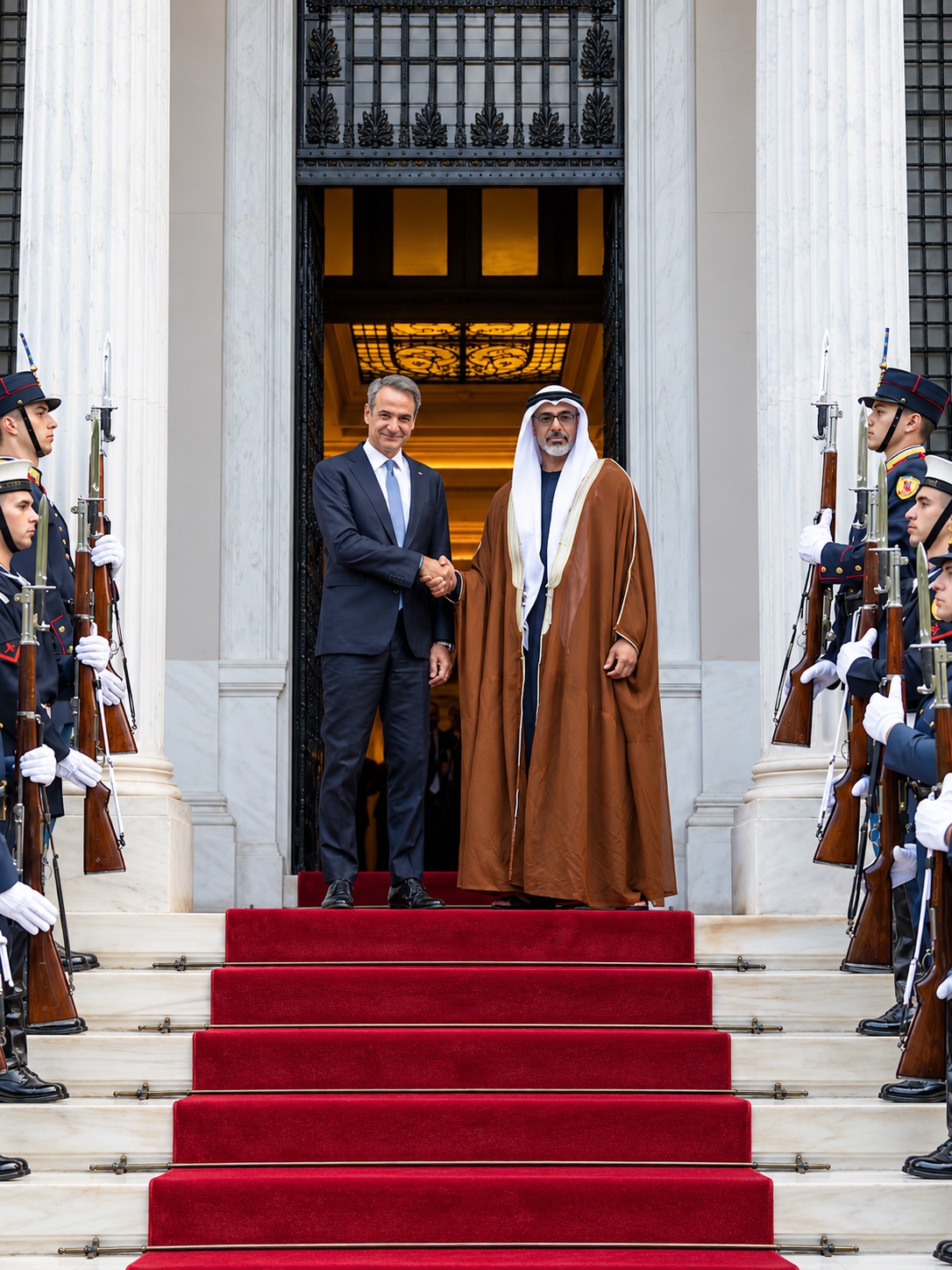
The investment was announced during UAE President Sheikh Mohamed bin Zayed Al Nahyan’s visit to Berlin, where he met German Chancellor Friedrich Merz to discuss deeper economic and strategic cooperation.
The new capital will target industries expected to shape future growth, including advanced technology, artificial intelligence, digital infrastructure, energy and industrial development.
€10 billion will be invested in Bavaria
A quarter of the planned investment — approximately €10 billion — is expected to be directed towards Bavaria, one of Germany’s most important industrial and technology centres.
The state is home to major companies across automotive manufacturing, engineering, electronics, technology and advanced industries, making it a natural destination for UAE capital.
The wider €40 billion commitment will be deployed over the long term rather than as a single transaction, with both countries looking to develop projects capable of supporting innovation, skilled employment and industrial competitiveness.
UAE has already invested €34 billion in Germany
The new commitment builds on a substantial existing investment relationship.
The UAE has already invested around €34 billion in Germany, meaning the latest announcement could significantly increase the scale of Emirati capital connected to Europe’s largest economy.
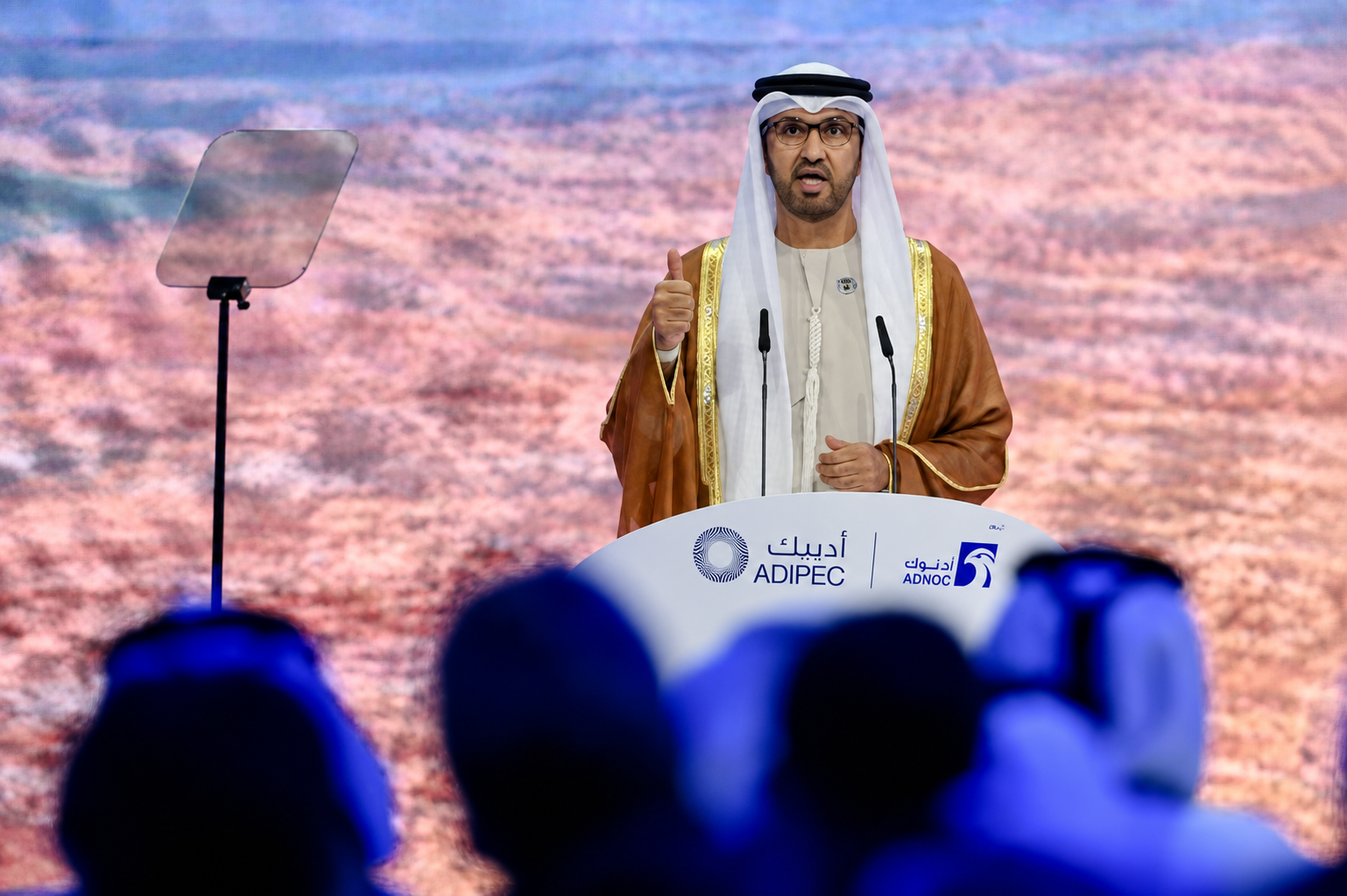
UAE Minister of Industry and Advanced Technology Dr Sultan Al Jaber described Germany as an important strategic and economic partner and said the additional investment reflects the UAE’s long-term approach to building international partnerships.
The focus will be on sectors capable of supporting future economic growth while also creating opportunities for UAE companies to work alongside leading German industrial and technology businesses.
New UAE-Germany Investment Council launched
The two countries also announced the establishment of a UAE-Germany Investment Council.
The council is intended to connect capital with commercial opportunities and help turn closer political ties into specific business projects.
Alongside it, the UAE and Germany launched a new Strategic Dialogue, creating a broader framework for cooperation across 12 areas.
The initiative covers fields ranging from trade and investment to security, energy, technology, transport, environmental policy, culture and education.
It builds on the Comprehensive Strategic Partnership between the two countries, which was established in 2004.
AI and data centres become key areas
Digital infrastructure is emerging as one of the most important parts of the new relationship.
The UAE has committed to exploring further investment in German data centres, while cooperation in information systems and data hosting is also included in the new framework.
Artificial intelligence and advanced technology are expected to play a central role as both countries look for ways to combine German industrial expertise with the UAE’s growing investment in digital infrastructure and emerging technologies.
For the UAE, the partnership also creates opportunities to bring German technology and expertise into projects serving markets across the Gulf, Asia and Africa.
Emirates flights to Berlin could move closer
Another important part of the discussions concerns Emirates airline and Berlin Brandenburg Airport.
The Dubai-based carrier currently flies to Frankfurt, Munich, Düsseldorf and Hamburg, but a long-standing aviation agreement dating from 1994 limits the number of German destinations it can serve without dropping one of its existing routes.
Direct access to Berlin has been sought for years.
The latest UAE-Germany agreements specifically identify access rights for UAE national airlines to Berlin Brandenburg Airport as a priority.
A memorandum concerning air transport arrangements has now been included among the measures agreed during Sheikh Mohamed’s visit.
If implemented, a Dubai-Berlin Emirates route could strengthen tourism, business travel and economic connections between the two countries.
Energy remains central to the partnership
Despite the increased focus on AI and technology, energy remains another major pillar of UAE-German cooperation.
Both sides signed a declaration aimed at continuing and expanding collaboration in the sector.
Germany has been working to strengthen energy security and diversify supply chains, while the UAE is expanding investments across both conventional and renewable energy projects internationally.
Closer cooperation could therefore extend from energy security and infrastructure to technologies supporting the transition towards lower-carbon economies.
More than 50 years of UAE-Germany ties
The UAE and Germany have maintained relations for more than five decades, covering business, diplomacy, education, culture and energy.
Sheikh Mohamed described the partnership as one built on strong economic, cultural and people-to-people connections and said both countries intend to create new long-term opportunities from those foundations.
Chancellor Friedrich Merz similarly highlighted the shared objective of building a more stable and prosperous future through closer cooperation.
A new scale for UAE investment in Europe
The €40 billion plan reflects the UAE’s growing role as one of the world’s most active international investors.
Rather than concentrating on a single company or sector, the Germany initiative spans AI, industry, energy, infrastructure and technology — areas that both countries consider strategically important for the coming decades.
Together with the new Investment Council, Strategic Dialogue and efforts to expand aviation links, the announcement goes well beyond a conventional investment package.
It signals an attempt to reshape UAE-Germany relations around a much larger economic partnership — connecting Emirati capital with German industrial expertise and creating new opportunities for both countries in the global economy.